The Cleveland Torso Murders haunted Cleveland, Ohio, during the mid-1930s.
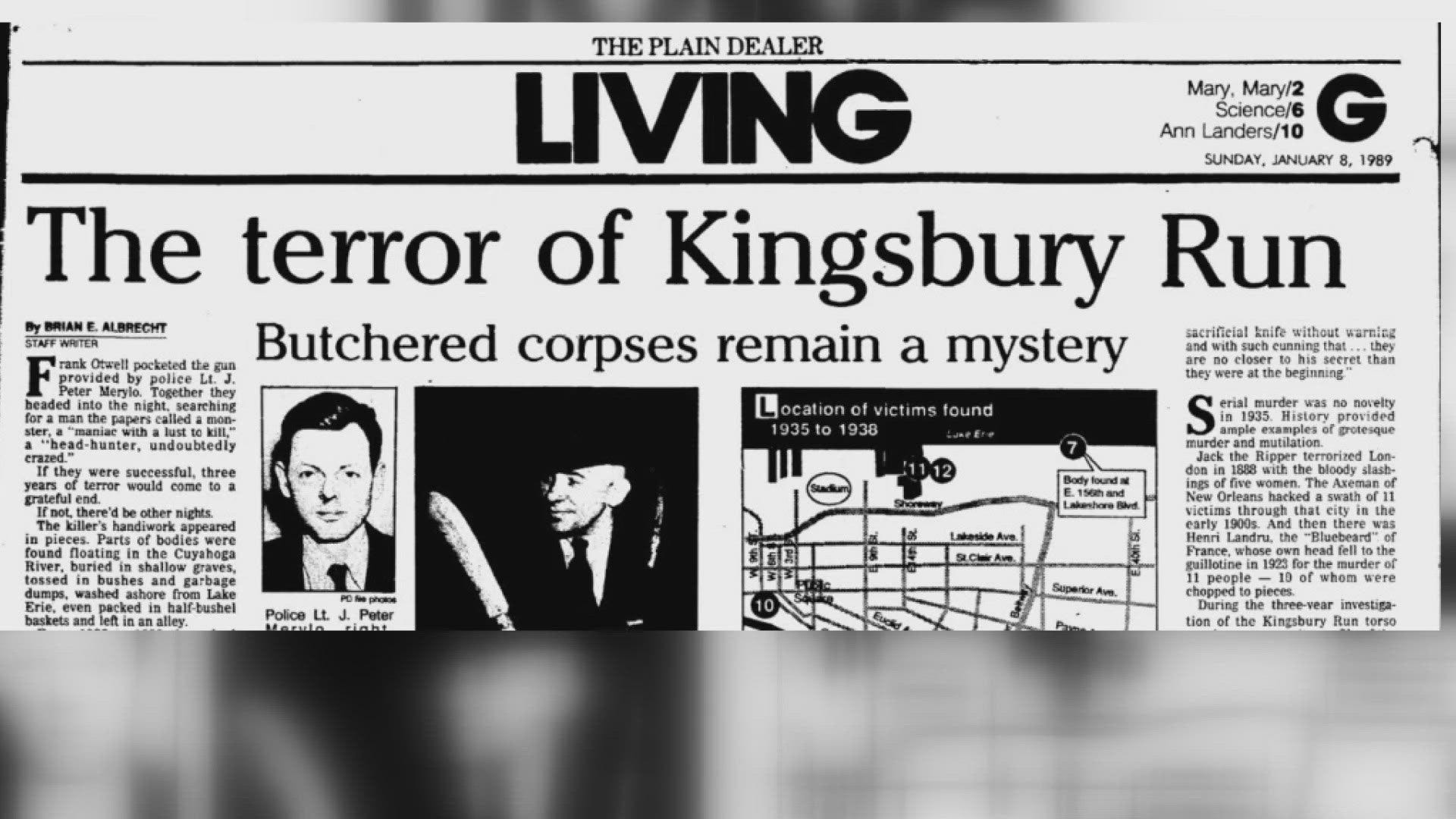
The gruesome killings, marked by decapitations and dismemberments, earned the unknown perpetrator the name “The Mad Butcher of Kingsbury Run.” This case remains one of America’s most infamous cold cases, full of mystery and terror.
Between 1934 and 1938 at least 12 victims were attributed to the Cleveland Torso Murderer though some investigators believe the actual number could be higher. Most of the victims were transient individuals or those living in poverty, making identification difficult.
1. Edward Andrassy (1935) – Found decapitated and emasculated, his body was discovered in Kingsbury Run.
2. John Doe I (1935) – Found near Andrassy, similarly mutilated.
3. Flo Polillo (1936) – A waitress whose body was found dismembered and scattered in multiple locations.
4. John Doe II (1936) – Known as “The Tattooed Man,” he was identified by his numerous tattoos but never conclusively named.
5. Jane Doe I (1937) – Found in a burlap sack with her head missing.
6. John Doe III (1937) – Another male victim found near the Cleveland Flats.
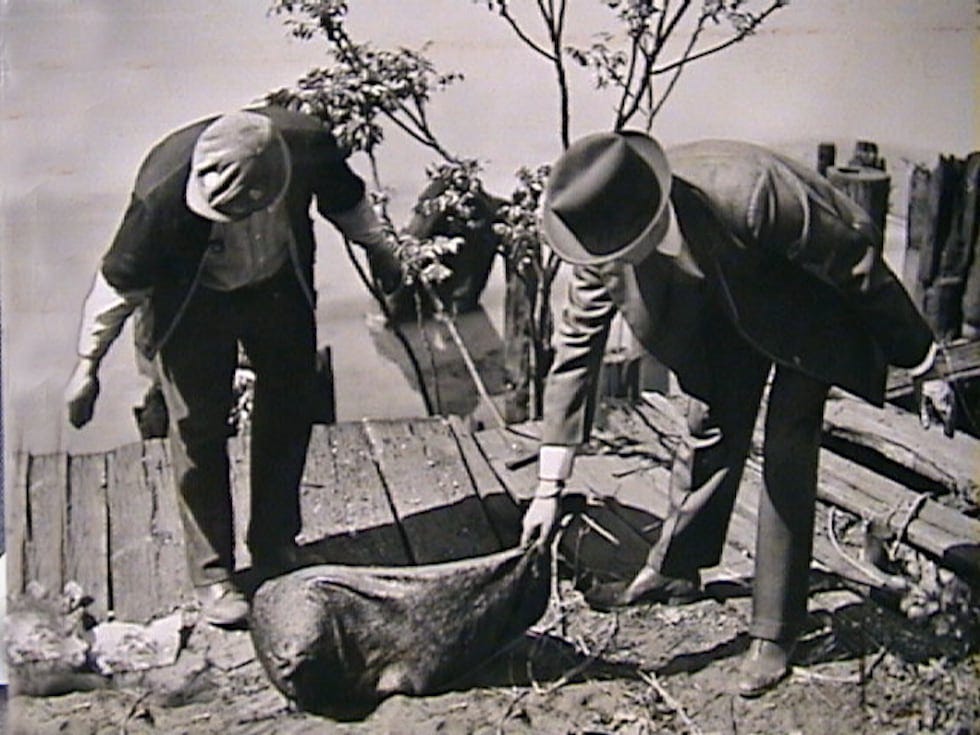
The remaining victims were equally gruesome their remains often discovered in Kingsbury Run, a desolate and impoverished area east of Cleveland. Many bodies were decapitated and some were missing limbs or torsos entirely. The killer’s precision suggested anatomical knowledge, perhaps pointing to a butcher, surgeon, or medical professional.
The Investigation
Eliot Ness, Cleveland’s Public Safety Director and famed leader of the Prohibition-era “Untouchables,” played a central role in the investigation. Ness overhauled the city’s police department, applying modern techniques and resources to the case. Despite his efforts, the investigation was hindered by a lack of forensic science and the transient nature of the victims.
In 1938 Ness orchestrated a controversial raid on the Kingsbury Run area, burning down shantytowns in an attempt to root out the killer. Though this action displaced hundreds of people, it failed to yield significant leads. Critics argued that it was a desperate and ineffective tactic.
Several suspects were identified over the years, including:
1. Dr. Francis Sweeney – A troubled physician with ties to Kingsbury Run, Sweeney was questioned extensively but never charged. Ness reportedly believed him to be the killer.
2. Frank Dolezal – A laborer who confessed to the murder of Flo Polillo under dubious circumstances. His confession was later recanted and he died under mysterious conditions in police custody.
MO?
The Cleveland Torso Murderer’s methods were chillingly consistent. Victims were often decapitated and their bodies were dismembered with surgical precision. Heads were frequently never found, hampering identification efforts. The use of chemicals to obscure identities in some cases suggested a methodical and calculating killer.
The killer’s preference for targeting marginalized individuals—those on society’s fringes—highlighted the vulnerabilities of Depression-era America. These were people with few connections or resources, making them easy targets.
Theories
The Cleveland Torso Murders gave rise to numerous theories over the decades. Some believe the killer moved on to other cities, while others speculate that he stopped due to death, imprisonment, or other circumstances. The connection to similar murders in Pennsylvania and elsewhere has been debated, though no definitive link has been established.
The case impacted the city of Cleveland and the field of criminal investigation. Ness’s involvement brought national attention, but his failure to solve the case tarnished his reputation. The Torso Murders also exposed societal inequalities, as the victims’ transient lifestyles underscored the desperation of the Great Depression.
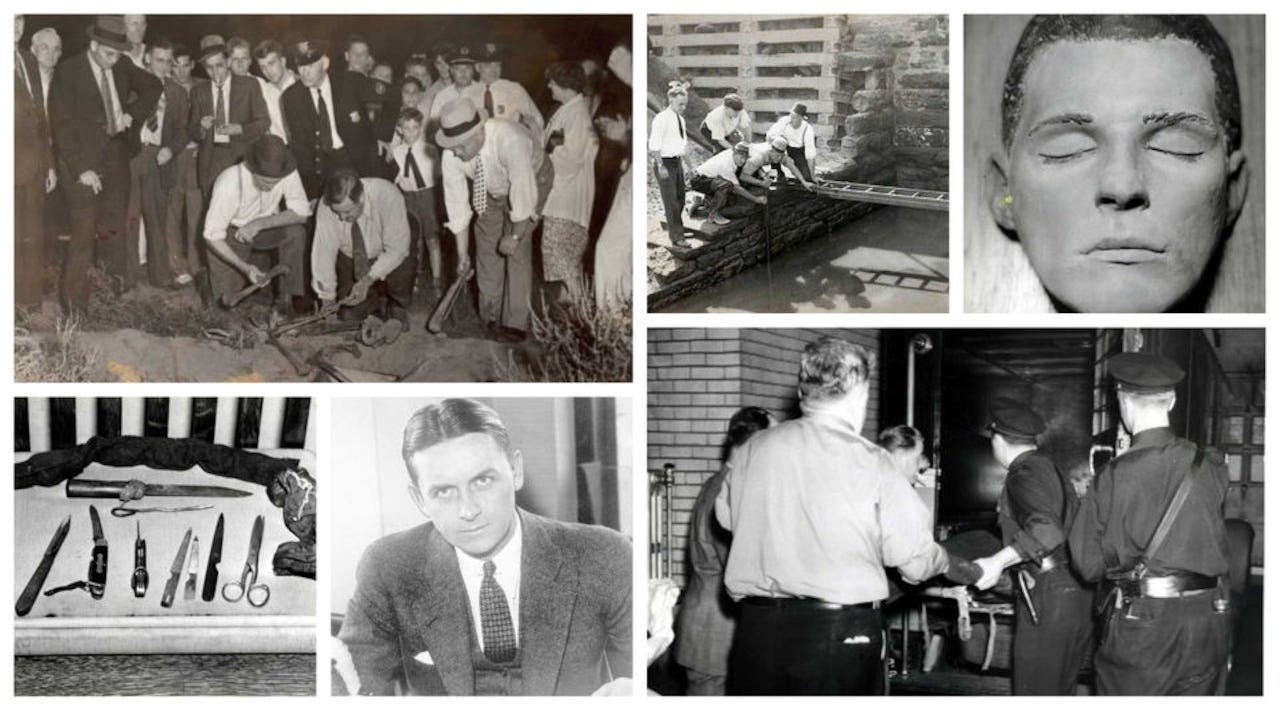
Despite the passage of nearly a century, the identity of the Mad Butcher of Kingsbury Run remains unknown, leaving behind a legacy of fear and unanswered questions.
 True Crime Weekly
Leave a comment