Grégory Villemin was a French boy from Lépanges-sur-Vologne, Vosges, who was abducted from his home and murdered at the age of four. His body was found 2.5 miles away in the River Vologne near Docelles.
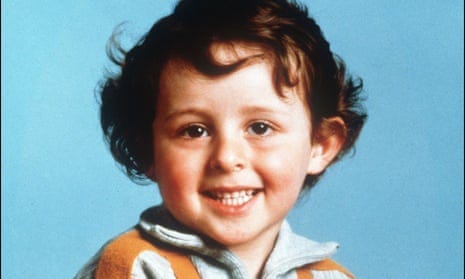
The case became known as the Grégory Case and for decades has received public interest and media coverage in France.
The murder remains unsolved.
Before the Abduction
From September 1981 to October 1984, Grégory’s parents, Jean-Marie and Christine Villemin, and his paternal grandparents, Albert and Monique Villemin, received numerous anonymous letters and phone calls from a man threatening revenge against Jean-Marie for some unknown offense.
The communications indicated he possessed detailed knowledge of the extended Villemin family.
The Murder
Shortly after 5:00 pm on October 16th 1984, Christine Villemin reported Grégory to police as missing after she noticed he was no longer playing in the Villemins’ front yard.
At 5:30 pm Gregory’s uncle Michel Villemin informed the family he had just been told by an anonymous caller that the boy had been taken and thrown into the River Vologne.
At 9:00 pm Grégory’s body was found in the Vologne with his hands and feet bound with rope and a woolen hat pulled down over his face.
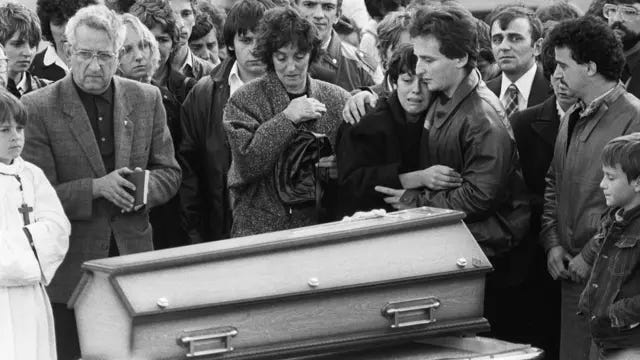
On October 17th the Villemins received another anonymous letter that said, “I have taken vengeance”. From then on the unidentified author was referred to in the media as Le Corbeau (“The Crow”), French slang for an anonymous letter-writer.
Bernard Laroche, a cousin of Jean-Marie Villemin, was implicated in the murder by handwriting experts and by a statement from Laroche’s sister-in-law Murielle Bolle. He was taken into custody on November 5th, 1984.
Bolle later recanted her testimony saying it had been coerced by police. Laroche, who denied any part in the crime or being “the Crow”, was released from custody on February 4th, 1985. Jean-Marie vowed in front of reporters that he would kill Laroche.
On March 25th 1985 handwriting experts identified Grégory’s mother Christine as the likely author of the anonymous letters. On March 29th Jean-Marie shot and killed Laroche as he was leaving for work. He was convicted of murder and sentenced to five years in prison.
With credit for time served awaiting trial and a partial suspension of the sentence, he was released in December 1987 after having served two and a half years.
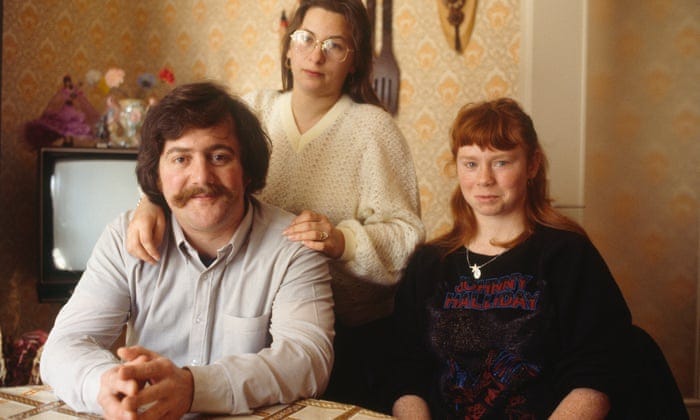
In July 1985, Christine was charged with murdering Grégory. Pregnant at the time, she launched a hunger strike that lasted eleven days.
Christine was freed after an appeals court cited flimsy evidence and the absence of a coherent motive. She reportedly collapsed and miscarried, losing one of the twins she was carrying shortly after being questioned by authorities.
She was cleared of the charges on February 2nd 1993.
The case was reopened in 2000 to allow for DNA testing on a stamp used to send one of the anonymous letters, but the tests were inconclusive.
In December 2008, following an application by the Villemins, a judge ordered the case reopened to allow DNA testing of the letters, the rope found on Grégory’s body, and other evidence. This testing too proved inconclusive. Further DNA testing in April 2013 on Grégory’s clothes and shoes was also inconclusive.
Later On
On June 14th 2017, based on new evidence, three people were arrested: Grégory’s great-aunt and great-uncle, as well as an aunt—the widow of Michel, who died in 2010.
The aunt was released, while the great-aunt and great-uncle invoked their right to remain silent. Murielle Bolle was also arrested and held for thirty-six days before being released, as were the others who had been detained.
On July 11th 2017, the magistrate in charge of the first investigation, Jean-Michel Lambert, committed suicide. In a farewell letter to a local newspaper, Lambert cited the increasing pressure he felt as a result of the case being reopened as the reason for ending his life.
In 2018, Bolle authored a book on her involvement in the case, Breaking the Silence. In the book she maintained her innocence and that of Laroche and blamed police for coercing her into implicating him.
In June 2017 Bolle’s cousin Patrick Faivre told police that Bolle’s family had physically abused her in 1984 in order to make her recant her initial testimony against Laroche.
Bolle accused Faivre of lying about the reason why she recanted her initial statement. In June 2019, she was indicted for aggravated defamation after Faivre lodged a complaint with police.
In January 2020, the Court of Appeal of Parisdetermined that Bolle’s 1984 detention by police had been unconstitutional; the court ordered removed from the investigative file the statements Bolle had made while in custody.
However the statements Bolle made while not in custody remain in the file, including the initial allegations against Laroche that she subsequently retracted.
Monique Villemin, Grégory’s paternal grandmother, died from COVID-19 complications on April 19th 2020 at the age of 88. During the 2017 investigation, Monique was named by investigators as the author of a 1990 threatening letter sent to Judge Maurice Simon, who had succeeded Jean-Michel Lambert as investigating judge on the case in 1987.

Such a sad story.
Hopefully we get answers one day.
 True Crime Weekly
Leave a comment