Samuel Little has earned the grim distinction of being America’s most prolific serial killer. Between 1970 and 2005 Little is believed to have murdered 93 women, primarily targeting vulnerable individuals whose disappearances often went unnoticed by authorities. His crimes went on for decades and took place in many states.
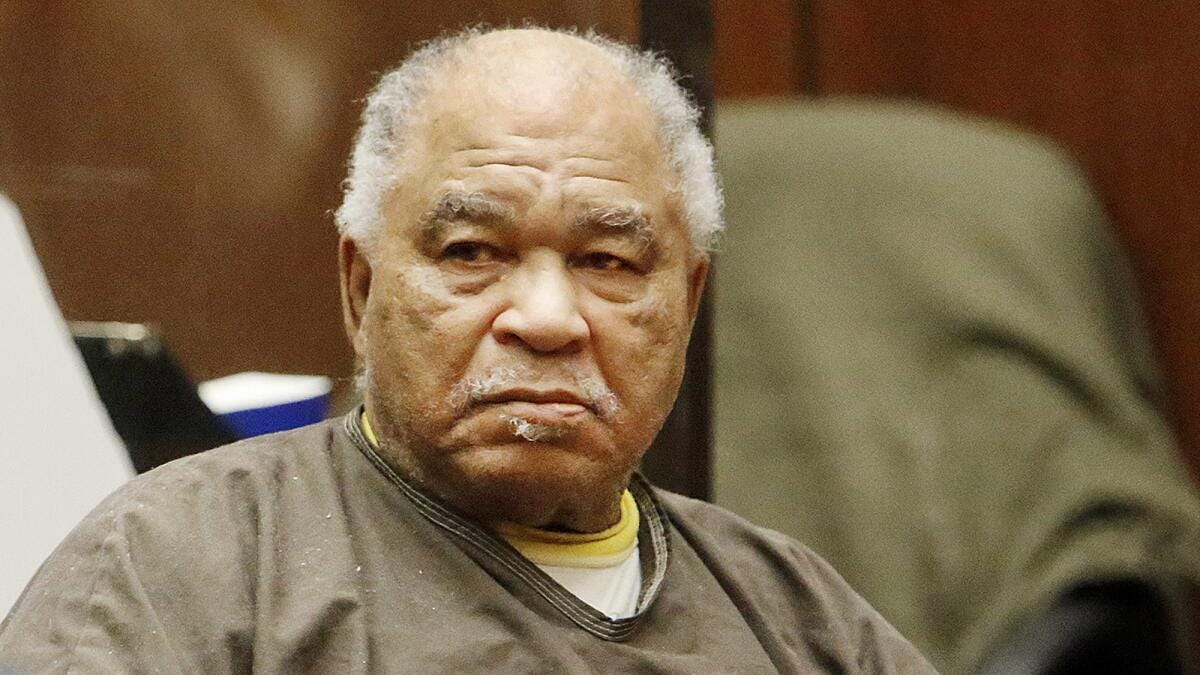
Samuel Little was born on June 7, 1940, in Reynolds, Georgia, to a teenage mother who allegedly worked as a prostitute. His early years were full of instability and neglect, as his mother abandoned him shortly after birth. He was raised by his grandmother in Lorain, Ohio, a blue-collar town that offered little in terms of opportunity or stability.
Little struggled academically and socially dropping out of high school and quickly falling into a life of petty crime. By the time he was in his late teens, he had already been arrested multiple times for theft, assault, and other minor offenses. These brushes with the law foreshadowed the violent path he would later take.
Psychologists and criminologists have often speculated about the factors that contributed to Little’s murderous tendencies. His tumultuous upbringing, lack of stable relationships, and early exposure to crime created a foundation for the predatory behavior that would define his later years.
The Murders: A Pattern of Predation
What sets Samuel Little apart from other serial killers is not just the sheer number of his victims but the methodical way he selected and murdered them. Little primarily targeted women living on the margins of society—sex workers, drug addicts, and women experiencing homelessness. These individuals were often overlooked by society and law enforcement, making them easy prey for a predator like Little.
Little’s modus operandi was very consistent. He would often lure women into his car under the pretense of offering them a ride or assistance. Once isolated he would strangle them with his bare hands, often taking a sadistic pleasure in watching them die. Unlike many serial killers, Little did not use weapons or leave obvious signs of violence which made it difficult for authorities to connect his crimes.
Perhaps most disturbing was Little’s ability to avoid capture for decades. He was a transient, moving from state to state and committing murders in locations as diverse as California, Texas, Florida, and Ohio. This nomadic lifestyle, combined with a lack of communication between law enforcement agencies at the time, allowed him to remain undetected.
Why Wasn’t He Stopped Sooner?
Samuel Little’s ability to operate unchecked for so long is a glaring indictment of systemic failures in law enforcement. During the years of his killing spree, many of his victims were written off as overdoses, accidents, or natural deaths. Their marginalized status often meant that their cases received little attention, and the lack of forensic evidence further complicated matters.
In addition to targeting vulnerable individuals, Little benefited from the fragmented nature of criminal investigations. Before the advent of modern databases and DNA technology, police departments rarely shared information, allowing serial offenders like Little to exploit jurisdictional gaps. Little’s criminal record—which included numerous arrests for assault, theft, and drug-related offenses—rarely resulted in significant prison time, letting him continue his crimes.
The Capture
It wasn’t until 2012 that Samuel Little’s reign of terror came to an end. By then, he was living in a homeless shelter in Kentucky and had been arrested on a narcotics charge. His DNA was entered into a national database, where it was linked to three cold cases involving the murders of women in California during the 1980s.
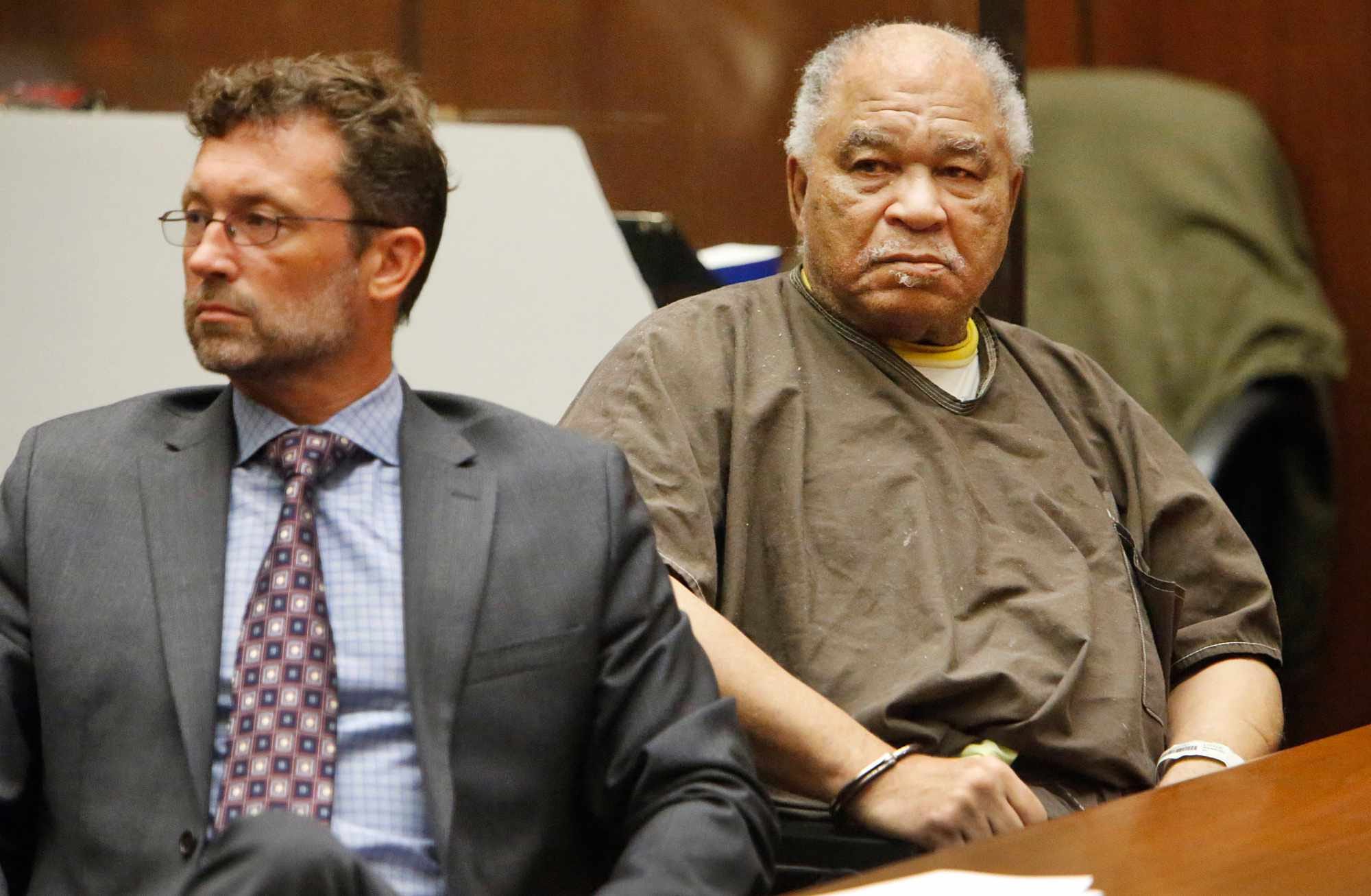
The evidence was undeniable and Little was extradited to California to face trial. In 2014 he was convicted of three counts of first-degree murder and sentenced to life in prison without the possibility of parole. This was just the beginning of the revelations about his crimes…
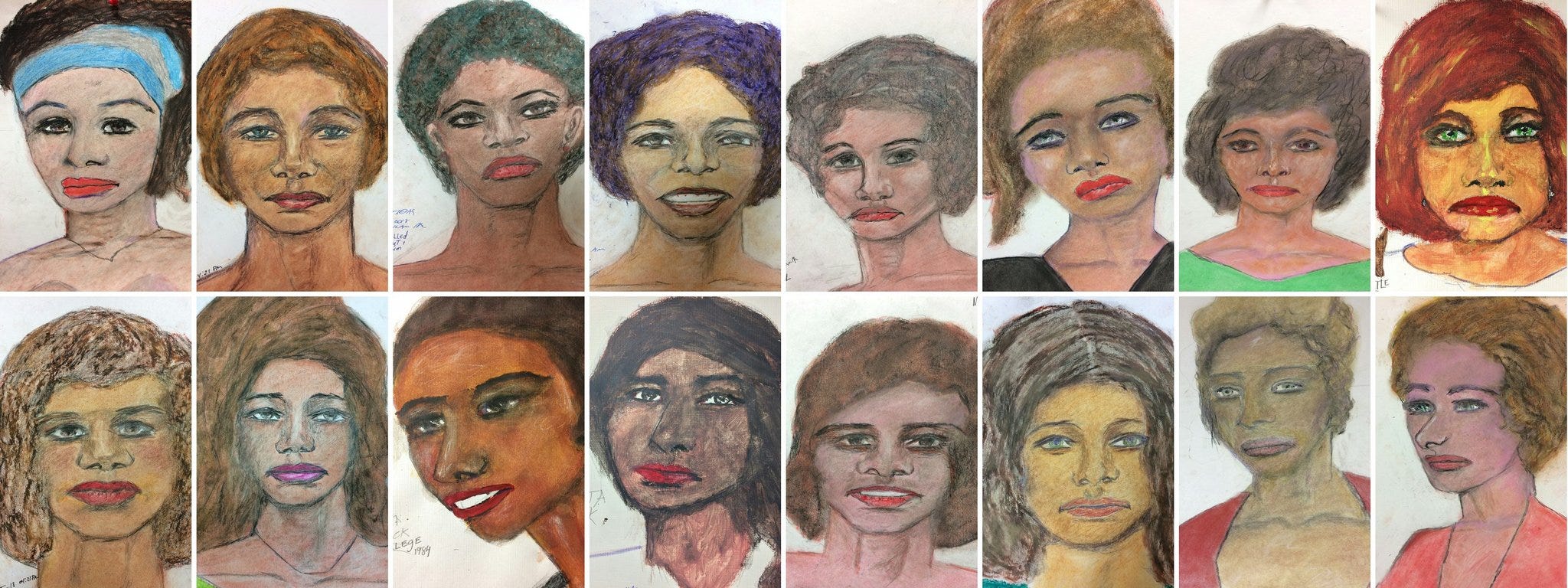
While serving his sentence Samuel Little began to confess to additional murders. In 2018, Texas Ranger James Holland interviewed Little, who revealed details about his crimes with chilling precision. Little confessed to killing 93 women over a 35-year period, providing detailed descriptions of his victims, the locations of the murders, and even hand-drawn portraits of the women he killed.
The accuracy of his confessions was astounding. Little’s memory for his crimes—including specific details about his victims’ appearances, clothing, and where he left their bodies—helped investigators confirm more than 60 of his claims. The FBI eventually declared him the most prolific serial killer in U.S. history.
Behind every statistic lies a human story, and the true tragedy of Samuel Little’s crimes is the lives he destroyed. Many of his victims remain unidentified, their stories lost to time. However, through his confessions and the efforts of law enforcement, some families have finally received answers.
His behavior has been the subject of intense scrutiny by psychologists and criminologists. Unlike many serial killers Little did not exhibit the traditional hallmarks of psychopathy, such as grandiosity or an inflated sense of self-worth. Instead he appeared to be a deeply disturbed individual driven by a compulsion to dominate and control.
Little often referred to his murders as his “work” and expressed no remorse for his actions. He viewed his victims as objects, dehumanizing them to justify his crimes. This lack of empathy, combined with his ability to manipulate and charm those around him, made him an especially dangerous predator.
The case of Samuel Little has prompted significant changes in how law enforcement approaches serial crimes. Advances in DNA technology, improved inter-agency communication, and a greater focus on cold cases have all become important.
 True Crime Weekly
Leave a comment