Joseph Naso is one of America’s most notorious serial killers and is often remembered by his moniker—the “Alphabet Killer.” Convicted of murdering six women, Naso’s crimes went on for several decades, from the late 1970s to the early 1990s. But he was caught in one crazy way…
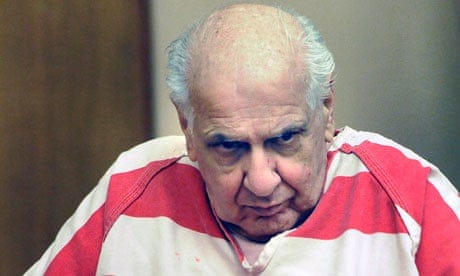
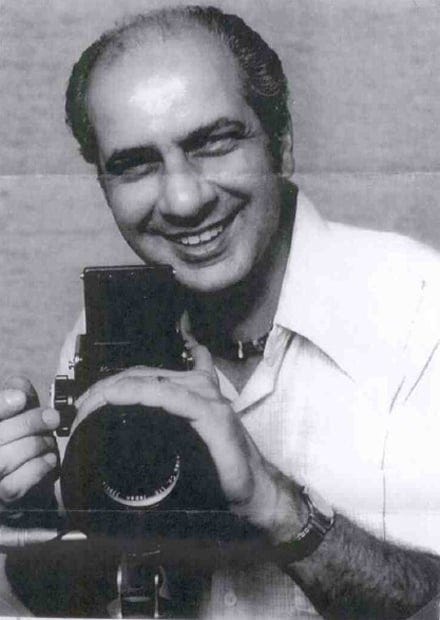
Joseph Naso was born on January 7, 1934 in Rochester, New York. Little is publicly documented about his early childhood but reports indicate a fairly normal upbringing. Naso served in the U.S. Air Force during the 1950s and later worked as a freelance photographer.
His work in photography often involved capturing images of women—sometimes in provocative poses. This professional pursuit while seemingly harmless on the surface would later be linked to his dark and twisted fantasies.
After leaving the military, Naso moved frequently living in locations across New York, California, and Nevada. His transient lifestyle allowed him to commit crimes across multiple states without immediate detection.
The Alphabet Murders
The murders for which Naso was eventually convicted had a bizarre and chilling pattern. The victims often had matching first and last initials:
1. Roxene Roggasch (1977) — A 18-year-old whose body was found near Fairfax, California. She had been strangled and her body dumped along a rural road. Evidence suggested signs of a violent struggle.
2. Carmen Colon (1978) — A 22-year-old woman discovered dead near Port Costa, California. Like Roxene, she had been strangled. Colon was known to engage in sex work, making her a vulnerable target.
3. Pamela Parsons (1993) — A 38-year-old waitress found murdered in Yuba City, California. She had also been strangled. Parsons was described as a kind-hearted woman struggling with addiction.
4. Tracy Tafoya (1994) — A 31-year-old woman whose body was discovered under similar circumstances. Tafoya’s murder bore the same hallmarks as Naso’s other crimes: strangulation and evidence of pre-mortem assault.
Authorities believe Naso may have been responsible for additional murders beyond those for which he was charged.
Modus Operandi and Crime Details
Target Selection: Naso often targeted women who lived on the margins of society, including sex workers and individuals struggling with addiction. These victims were less likely to be immediately missed by society which helped Naso get away with it for so long.
Method of Murder: Strangulation was Naso’s preferred method. The use of ligatures suggested a premeditated and calculated approach.
Photographic Evidence: Naso had a disturbing collection of photographs of his victims, some of whom appeared unconscious or deceased.
Journal Entries: Perhaps the most chilling aspect of Naso’s crimes was his detailed journaling. Entries described his interactions with victims, often in graphic terms, hinting at sadistic fantasies.
Dumping Sites: Bodies were typically left in rural or isolated areas, making discovery difficult and forensic evidence little to none.
Capture and Arrest
Joseph Naso managed to evade capture for decades, partly due to his meticulous planning and the transient lifestyles of many of his victims, which made investigations difficult.
But he was eventually caught.
In 2010, a routine probation check at Naso’s home in Reno, Nevada, led to a breakthrough. Naso was on probation for a prior theft conviction and during the search authorities discovered a mountain of incriminating evidence:
– A detailed journal containing entries about his assaults and murders.
– Photographs of women, some appearing unconscious or dead.
– A disturbing list titled “List of Ten,” which described cryptic details about women—many of whom were later identified as murder victims.
This evidence provided the foundation for Naso’s arrest and then eventually his prosecution.
Joseph Naso’s trial began in 2013 and was a media spectacle due to its gruesome details and Naso’s decision to represent himself in court. He maintained his innocence throughout the proceedings, often making bizarre and rambling statements.
The prosecution presented overwhelming evidence, including DNA matches, photographic evidence, and the incriminating journal entries. The “List of Ten” became a key piece of evidence, suggesting premeditation and a methodical approach to his crimes.
Despite Naso’s attempts to cast doubt on the evidence the jury found him guilty of four counts of first-degree murder.
Sentencing and Incarceration
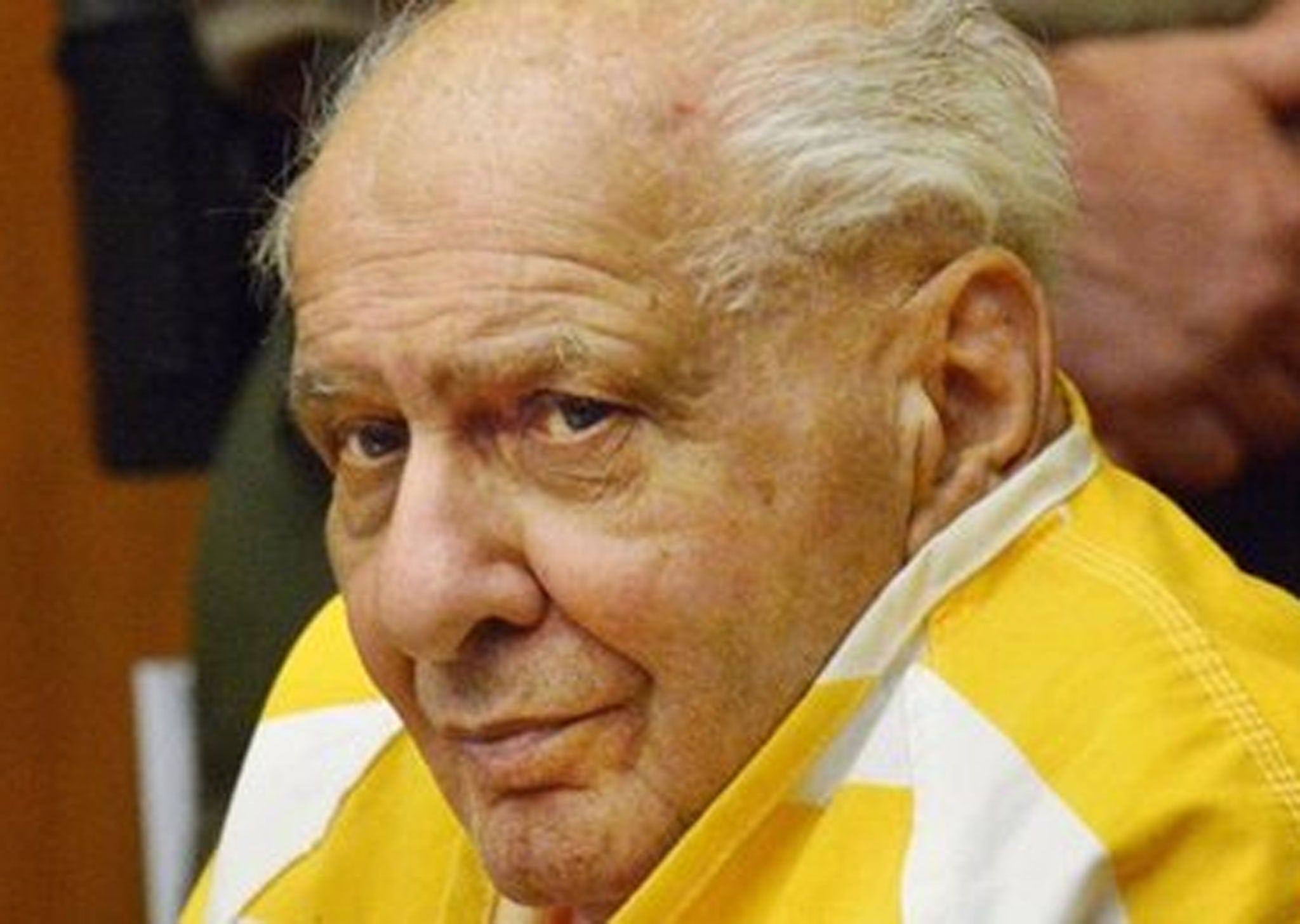
In November 2013 Joseph Naso was sentenced to death. The judge described his crimes as “heinous, calculated, and despicable.”
Naso was initially incarcerated at San Quentin State Prison, California’s primary death row facility for male inmates. Despite his death sentence, he remains alive as of the latest updates, given California’s moratorium on executions.
Psychological Profile
Criminal psychologists have noted several disturbing traits in Naso’s behavior:
-Sadism: His journals indicated a fascination with dominating and harming women.
– Control: Naso’s careful documentation and photography suggest a need to control and memorialize his crimes.
– Detachment: His lack of remorse during trial proceedings pointed to psychopathic tendencies.
Naso’s crimes fit the pattern of many serial killers who target vulnerable individuals and meticulously plan their offenses.
For the families of the victims, justice was long overdue. Naso’s conviction brought some closure, but the pain of their loss remains.
The “Alphabet Killer” name while sensational shows the chilling methodical nature of Naso’s crimes. What a disgusting human being he is. Hopefully he is suffering in prison at 91 years old.
 True Crime Weekly
Leave a comment