An unidentified serial killer believed to be responsible for the murders of multiple young men in Indiana and Ohio during the 1980s and 1990s. The victims were typically found discarded along Interstate 70 leading authorities to believe the perpetrator used the highway as a hunting ground.
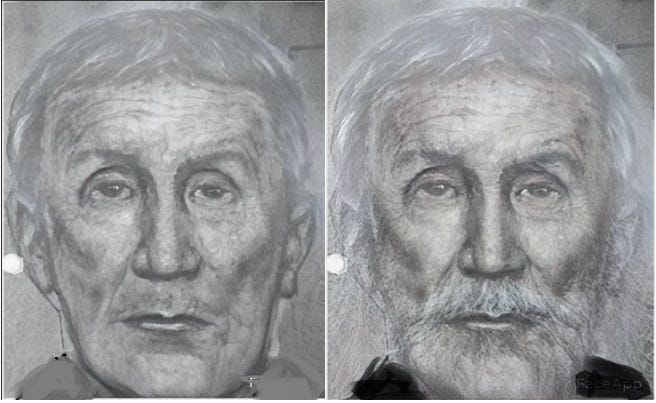
Between 1980 and 1996 at least 12 young men were found strangled and dumped in rural areas near I-70. Most of the victims were gay or suspected to be sex workers, making investigators consider the possibility that the killer was specifically targeting members of the LGBTQ+ community. Many of the bodies were found with similar signs of strangulation and some were nude or partially clothed, suggesting a sexual motive.
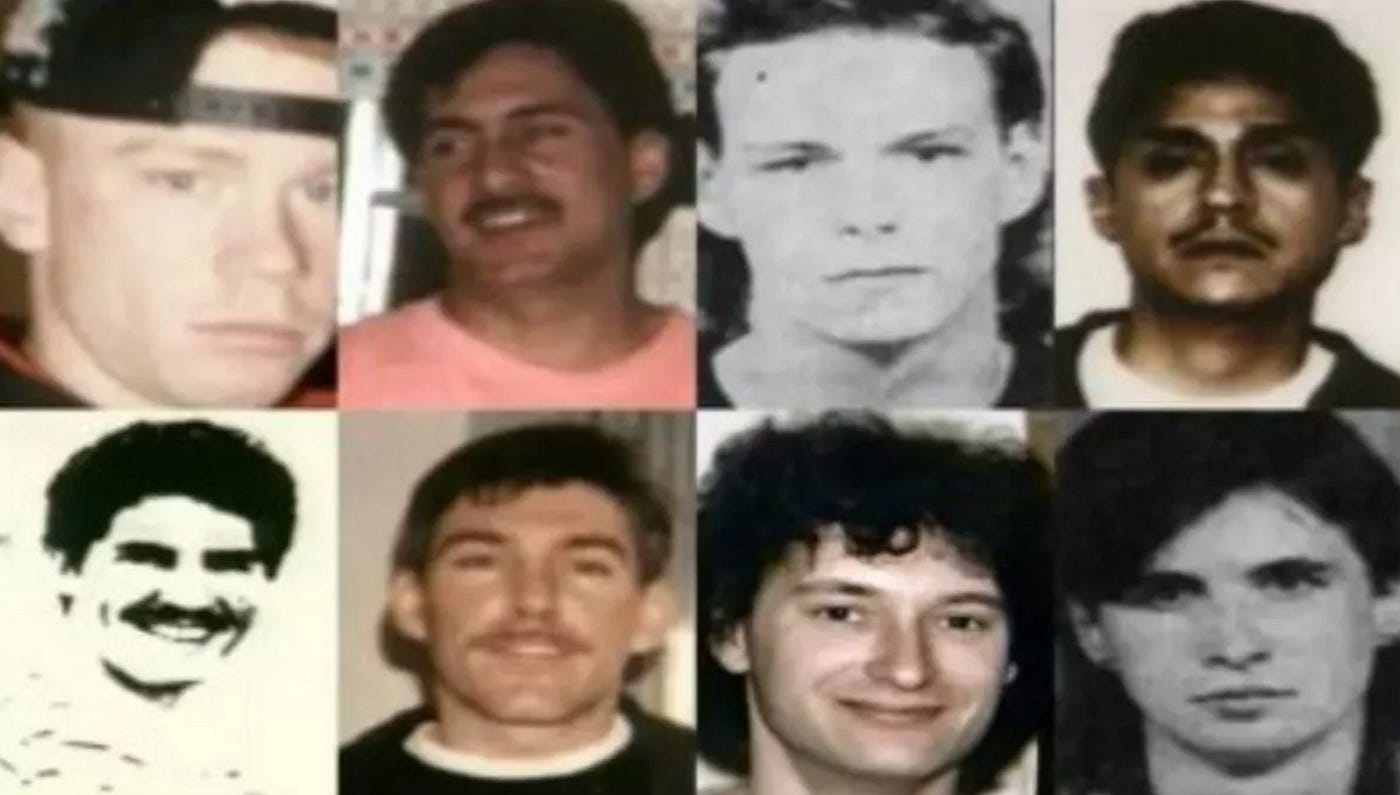
The known victims include:
Michael Petree (15) – 1980
Maurice Taylor (23) – 1983
Delvoid Lee Baker (14) – 1984
Jay Reynolds (16) – 1985
James Torres (27) – 1986
Eric Roach (17) – 1989
James McQuiston (21) – 1990
Otis Anderson (21) – 1991
Paul A. Hines (22) – 1992
Richard D. Hamilton (20) – 1993
Steven Elliott (26) – 1994
Michael Andrew Riley (22) – 1996
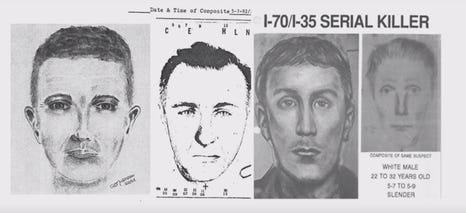
Many of these victims were last seen in or around Indianapolis before their bodies were discovered in remote areas. The common pattern suggested the killer would abduct victims, strangle them, and then dispose of their bodies in locations accessible from the interstate.
Investigation and Suspect: Herb Baumeister
The primary suspect in the I-70 Strangler case is Herb Baumeister a wealthy businessman from Indiana. Baumeister was the owner of the Sav-A-Lot thrift store chain and led a seemingly normal life with his wife and children. However, he had a secret life that involved frequenting gay bars and allegedly luring young men to his secluded estate, Fox Hollow Farm, located in Westfield, Indiana.
In the mid-1990s police began investigating Baumeister after his teenage son discovered human remains on their property. The police executed a search warrant and uncovered the skeletal remains of at least 11 men many of whom matched the profiles of the I-70 Strangler’s victims.
Before he could be arrested Baumeister fled to Canada where he committed suicide in 1996. He never confessed to the murders and due to his death, police were unable to conclusively link him to all of the I-70 Strangler cases. However, many investigators strongly believe he was responsible for the majority of the killings.
Despite the evidence found at Baumeister’s property, law enforcement has never officially closed the case. Some experts speculate that there may have been multiple killers as some victims do not fit Baumeister’s known modus operandi. Additionally, some killings attributed to the I-70 Strangler occurred while Baumeister was known to be out of town, raising doubts about whether he acted alone.
Forensic advancements in DNA analysis have allowed authorities to revisit unsolved murders in recent years. Some remains found at Fox Hollow Farm remain unidentified, and investigators continue working to match them with missing persons cases.
Today, detectives continue to urge anyone with information about the case to come forward, as modern forensic techniques may eventually provide conclusive answers. Though Baumeister is the prime suspect some believe the true extent of the I-70 Strangler’s crimes has yet to be fully uncovered.
With the rise of forensic genealogy there remains hope that authorities may one day solve the mystery and provide justice for the victims and their families.
 True Crime Weekly
Leave a comment