Who Was Sylvia Likens?
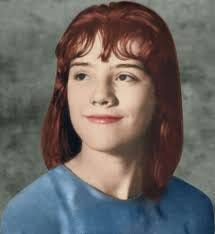
Sylvia Marie Likens was a 16-year-old girl from Lebanon, Indiana known for her shy, gentle nature. She was the third of five children born to Lester and Betty Likens carnival workers who frequently traveled for work.
Due to the instability of their lifestyle, Sylvia and her younger sister, Jenny Likens often stayed with relatives or acquaintances while their parents were on the road.
If you enjoy my work, please consider subscribing for $5 a month. You get 3x the cases and exclusive access. Plus you support my work. Thank you so much!
In July 1965, their parents left the two girls in the care of a local woman named Gertrude Baniszewski who had agreed to take care of them in exchange for $20 a week.
This decision would lead to one of the most horrific cases of child abuse and murder ever recorded in the United States.
📅 Timeline of Events
July 1965
– Lester and Betty Likens leave Sylvia and Jenny with Gertrude Baniszewski a mother of seven who appeared respectable on the surface but was in fact deeply troubled, impoverished, and overwhelmed.
– At first, the arrangement seemed stable—but when Gertrude’s payments from the Likens family were late or inconsistent, her attitude changed drastically.
August – October 1965
– Gertrude began verbally and physically abusing Sylvia blaming her for supposed lies, promiscuity, and imagined behavior.
– The abuse quickly escalated and took on systematic, sadistic elements. It wasn’t just Gertrude—her children, neighborhood kids, and even Sylvia’s peers participated in the torture.
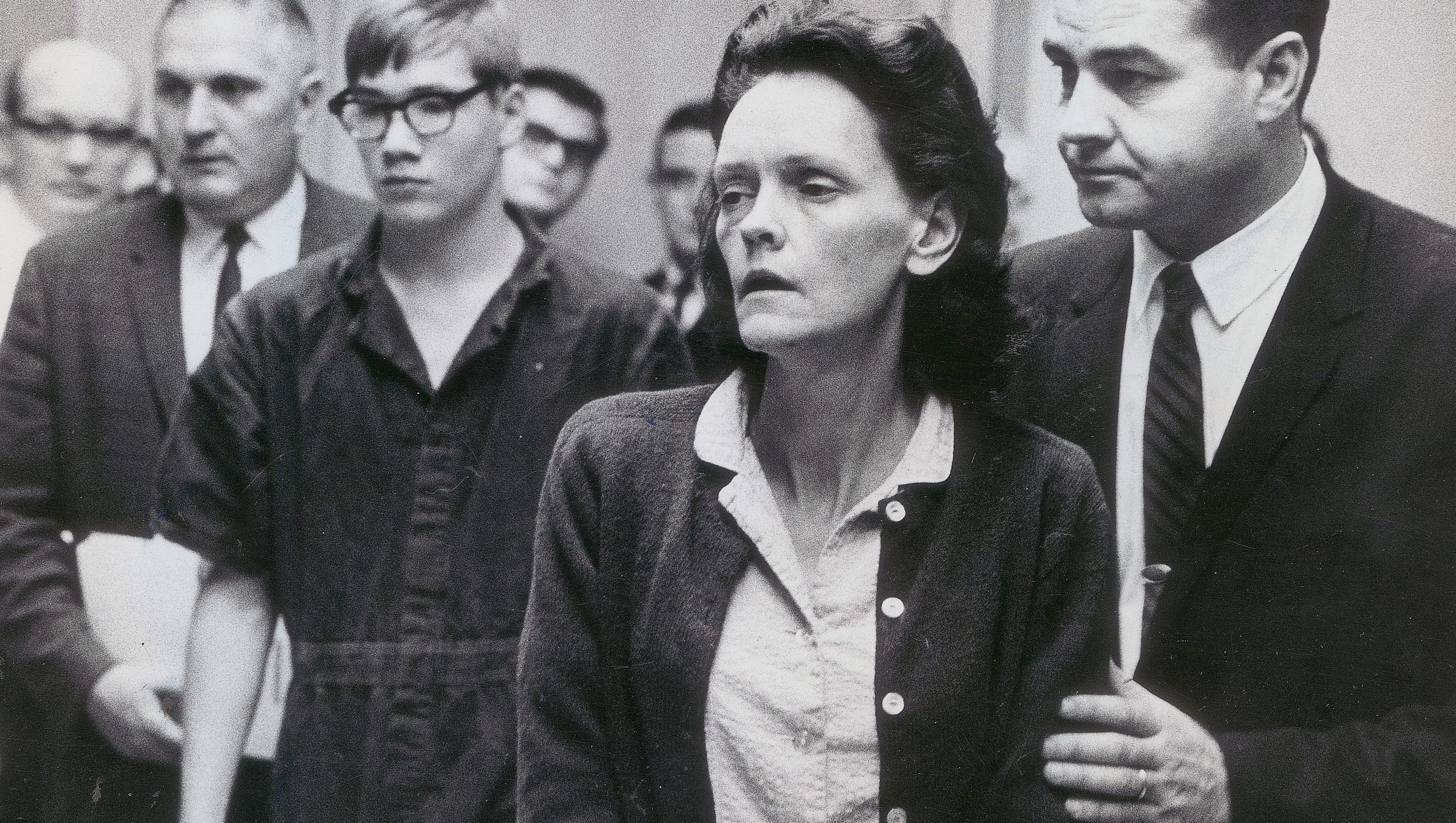
Forms of Abuse Included:
– Beating Sylvia with paddles, belts, and other objects.
– Forcing her to eat feces and rotten food.
– Burning her skin with cigarettes.
– Carving the words “I’m a prostitute and proud of it” into her abdomen using a heated needle.
– Forcing her to bathe in scalding water.
– Locking her in a basement without food, hygiene access, or clothing for days.
October 26, 1965
– After months of torture, Sylvia succumbed to her injuries and died from brain hemorrhaging, internal bleeding, and malnutrition.
– Her final words reportedly were, “Daddy, I’m going to die. I know it.”
The Arrest and Trial: A House of Horror Uncovered
Sylvia’s death led to one of the most infamous criminal trials in Indiana history.
When authorities arrived, they found a mutilated body, a starved frame, and multiple wounds—along with contrived stories from the Baniszewski household.
But the truth quickly emerged, especially through Jenny Likens who courageously told police:
“You get me out of here and I’ll tell you everything.”
Key Individuals Arrested and Charged:
– Gertrude Baniszewski – Convicted of first-degree murder, sentenced to life in prison but paroled in 1985 after 20 years. She died in 1990.
– Paula Baniszewski (Gertrude’s daughter) – Convicted of second-degree murder. Released in 1972.
– John Baniszewski Jr., Coy Hubbard, and Richard Hobbs – Found guilty of manslaughter, served brief sentences in juvenile detention.
The fact that so many children participated in Sylvia’s torture was shocking. Many were never charged, despite clear evidence of complicity.
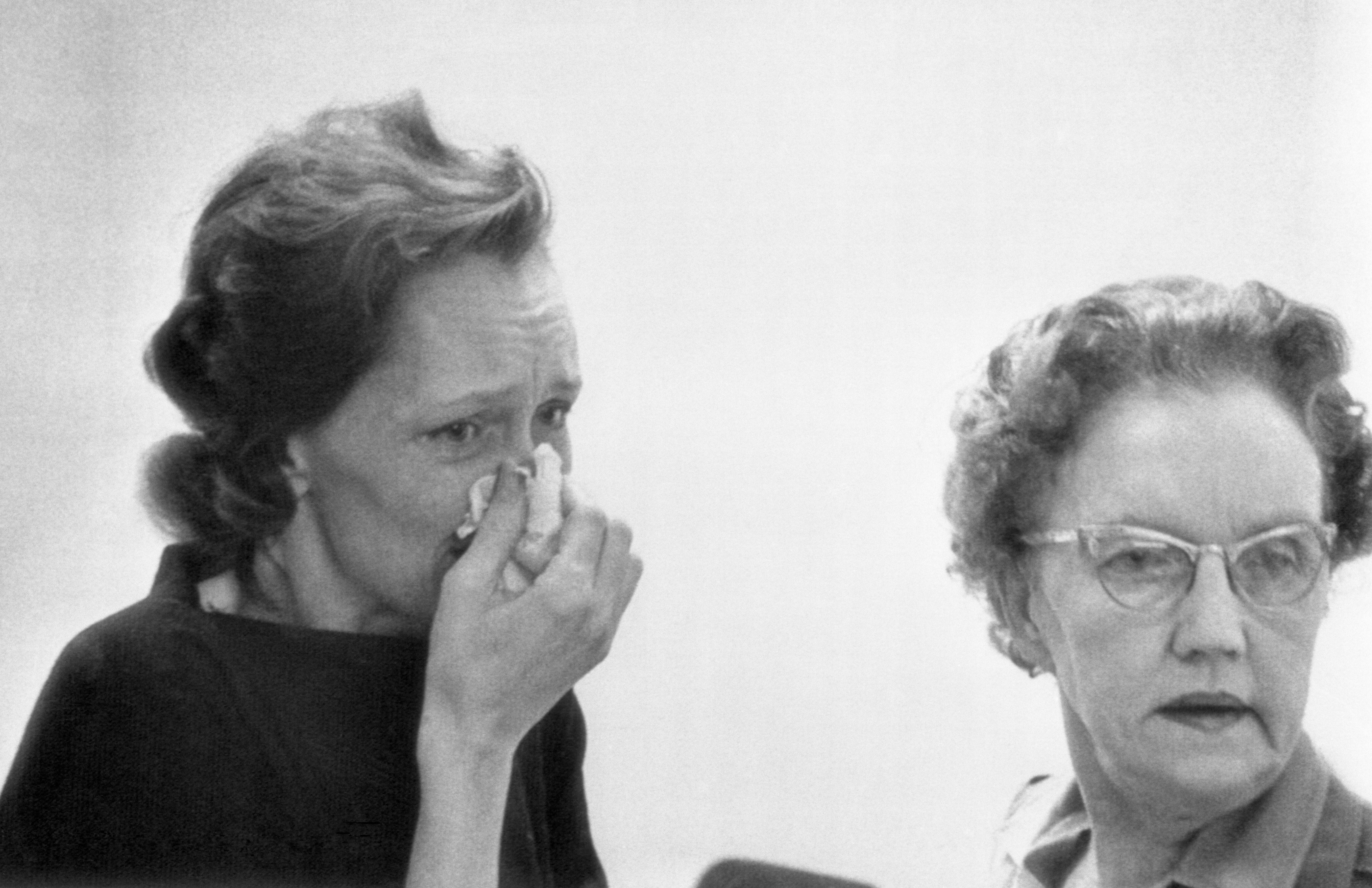
1. How could this happen in a neighborhood?
The case sparked national conversations about bystander apathy community neglect, and the failure of social institutions. Neighbors had reportedly seen Sylvia’s deteriorating condition but said nothing.
2. Why did so many children join in the abuse?
Experts have studied this case as an example of groupthink and mob behavior, where children, under an authoritarian adult’s influence, normalized cruelty. Some argue peer pressure and desensitization enabled the horrific acts.
3. Was justice served?
Many believe the punishment was too lenient. Gertrude’s parole, despite the brutality of her crime, sparked outrage and protests.
Sylvia’s case led to the creation of child abuse awareness initiatives across the country and influenced laws surrounding mandatory reporting, child welfare, and institutional responsibility.
– A memorial plaque and garden now stand in her honor in Indianapolis.
– Her story has been depicted in books and films notably:
– “The Girl Next Door” by Jack Ketchum (a fictionalized horror novel based on her case).
– “An American Crime” (2007), a dramatized film starring Ellen Page and Catherine Keener.
Sylvia never deserved the pain she endured. But her story lives on as a painful warning—and a call to act, speak up, and protect those who can’t protect themselves.
If you would like 3x the true crime cases and want to support my work, consider subscribing for $5 a month:
Thank you!
-AJ
 True Crime Weekly
Leave a comment