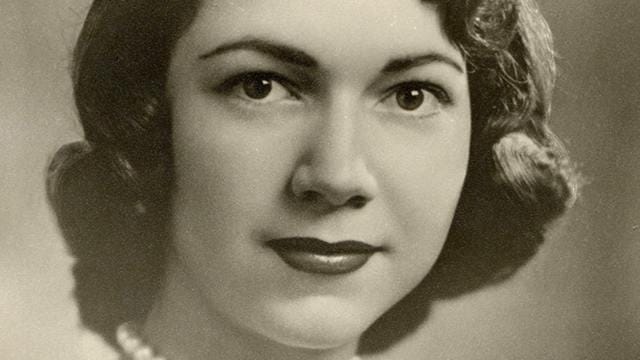
Irene Garza was a beloved figure in her community a second-grade teacher, former Miss South Texas beauty queen, and the first Latina drum majorette at her high school.
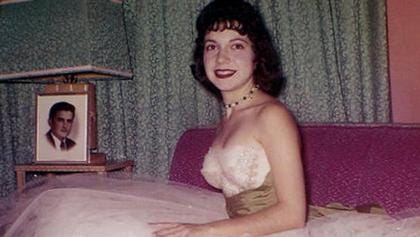
She was a devout Catholic, deeply involved in her church, and committed to her students and family.
Her quiet strength, elegance, and kindness left a lasting impression on everyone who knew her.
Born into a working-class Mexican-American family in McAllen, Texas, Irene was a trailblazer.
She graduated from Pan American College with a degree in education and was the first in her family to attend college.
Irene was active in numerous civic causes, and she had dreams of one day pursuing graduate studies and working in public service.
On April 16, 1960, the day before Easter Sunday, Irene left her home dressed in a light blouse and pastel skirt, carrying her Bible and veil.
She walked to Sacred Heart Catholic Church, just blocks away, for evening confession. She never returned.
When she failed to return home by midnight, her parents grew frantic.
They contacted relatives and friends, then alerted police.
A search was launched immediately, though in 1960, missing person protocols were limited.
A Shocking Discovery
Two days after her disappearance Irene’s belongings her handbag, one high-heeled shoe, and her veil were found scattered along a desolate canal road.
It wasn’t until April 21st that her body was discovered in a canal.
She was floating face-down, clothed but with visible signs of violence.
An autopsy confirmed the worst: Irene had been beaten, sexually assaulted, and asphyxiated.
She had bruising around her face and body, and the medical examiner concluded she had likely been knocked unconscious before she was killed. Her injuries indicated a violent and personal attack.
The town of McAllen was devastated. The idea that someone could do this to a kind, gentle young woman and a devoted churchgoer shocked the deeply religious community.
Suspicion quickly turned inward, and what followed would become one of the longest-running cold cases in U.S. history.
Early Suspicion: A Priest Under Scrutiny
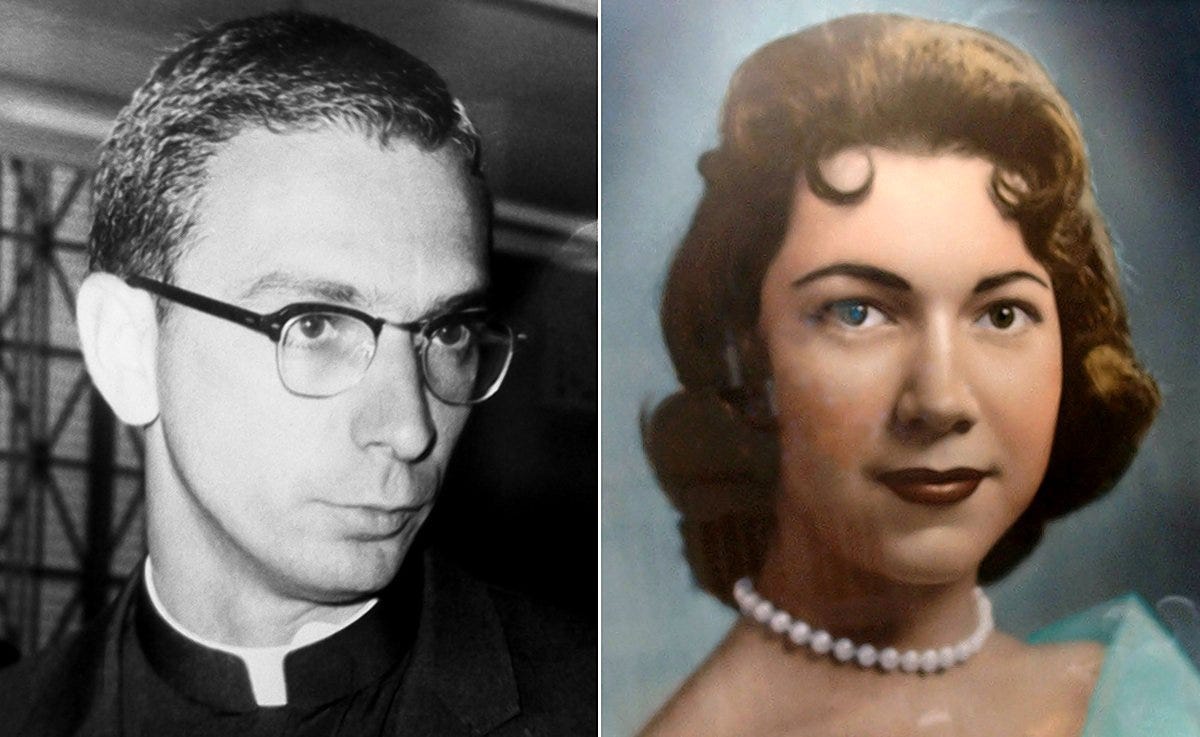
Investigators soon focused their attention on Father John Bernard Feit, a 27-year-old visiting priest who had been helping with Holy Week confessions at Sacred Heart.
He was among the last to see Irene alive.
Feit initially denied ever hearing her confession, but under pressure, admitted he had. When questioned about scratches on his hands and his inconsistent statements, Feit claimed he had injured himself trying to fix a slide projector.
That projector or more accurately, its missing slide viewer would become a crucial piece of evidence.
It was discovered in the same canal where Irene’s body had been found.
Other suspicious details emerged:
- Feit had previously been accused of assaulting another woman, a young parishioner in nearby Edinburg, just weeks earlier.
- He failed multiple polygraph tests, despite early reports suggesting he had passed.
- A candle holder from the church was found near the canal, believed to have been used to strike Irene.
Despite the mounting circumstantial evidence, Feit was not charged.
Church officials intervened and arranged for him to be transferred out of state to a monastery.
Decades of Silence
Over the years, rumors circulated that Feit had confessed the murder to church leaders, but nothing was ever made public. The case remained cold for decades.
Then, in the early 2000s, two Catholic clergy members came forward with explosive testimony.
Dale Tacheny a former monk, and Joseph O’Brien a retired priest, both claimed that Feit had privately confessed to killing Irene Garza.
According to them, Feit had described restraining her in the church rectory, sexually assaulting her, and disposing of her body in the canal.
Even with this testimony, it wasn’t until 2016 after intense media coverage and political pressure from Irene’s family and the local community that prosecutors finally moved to indict Feit.
He was arrested in Arizona and extradited to Texas to stand trial.
Justice, at Last
At age 83 John Bernard Feit finally stood trial for Irene Garza’s murder.
The trial, held in 2017 drew national attention. Witnesses testified not only to Feit’s suspicious behavior in 1960, but also to the institutional cover-up orchestrated by the Catholic Church.
Former church employees revealed that the Diocese had actively concealed Feit’s involvement in Irene’s death to avoid scandal.
True Crime Weekly is a reader-supported publication. To receive new posts and support my work, consider becoming a free or paid subscriber.
Feit’s earlier attack on another woman where he had attempted to assault her in the church was used to show a pattern of behavior.
The jury deliberated for six hours before returning a verdict: guilty of murder
The next day, Feit was sentenced to life in prison.
He died in custody less than three years later.
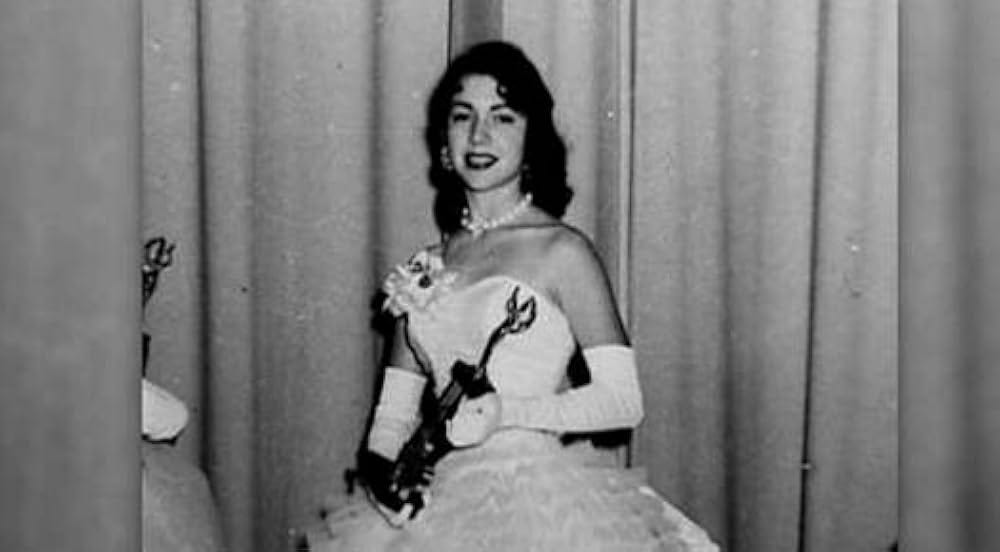
Irene Garza’s life was one of beauty, grace, and determination.
She broke barriers as a Latina woman in 1960s Texas and inspired countless students during her short time as a teacher.
Her death was a profound loss to her family, her community, and the broader Latino community.
The murder of Irene Garza remains one of the most tragic and infuriating cases in Texas history. It exposed a culture of silence and protectionism within religious institutions that prioritized reputation over accountability.
Justice was delayed, but ultimately, it was not denied.
 True Crime Weekly
Leave a comment