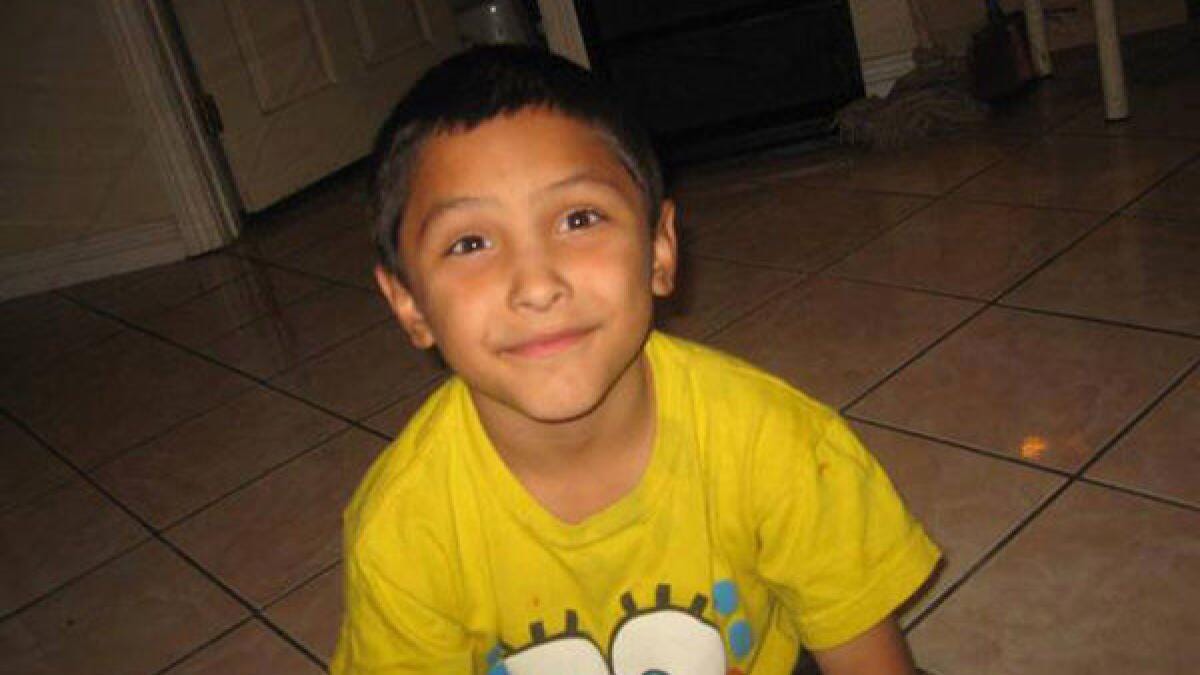
Gabriel Daniel Fernandez was born February 20, 2005 to Pearl Fernandez and Arnold Contreras. For most of his early childhood he was not raised by his mother: he lived first with a great-uncle, Michael Lemos Carranza, and Carranza’s partner David Martinez, then later with his maternal grandparents.
Before I dive in, support my work here: coff.ee/ajthomas12
Or upgrade for $3 a month to get 12+ true crime stories a month! Thanks for supporting my work and research
In September 2012 at age seven Gabriel was moved to live with his mother and her boyfriend, Isauro Aguirre, in Palmdale despite deep concern from relatives who had been caring for him.
From September 2012 through May 2013, Gabriel endured escalating abuse that according to sworn testimony and trial evidence included beatings, burns, being shot with a BB gun, forced starvation, and being locked, gagged, or bound.
Prosecutors argued Aguirre targeted Gabriel because he believed the child was “gay,” an alleged motive underscored by humiliation tactics (e.g., forcing him to wear girls’ clothing).
Multiple adults outside the home saw warning signs:
- Jennifer Garcia, Gabriel’s first-grade teacher, repeatedly reported injuries (including facial bruising and a split lip) and told the court Gabriel had written her a note about being hurt at home. She testified during Aguirre’s murder trial in 2017.
- Neighbors and relatives placed calls to authorities. The case was in and out of the orbit of the Department of Children and Family Services (DCFS) during those months. Investigative reporting later documented how caseworkers’ contacts and safety plans failed to stop the abuse.
On the night of May 22, 2013 Gabriel was beaten into unconsciousness.
First responders found him naked and unresponsive with catastrophic injuries: fractured skull, broken ribs at various healing stages, and BB pellets lodged in his body evidence of prior assaults.
He was taken to Antelope Valley Hospital, then to Children’s Hospital Los Angeles. He was declared brain-dead and died May 24, 2013.
Arrests and Charges
* May 23, 2013: Pearl Fernandez and Isauro Aguirre were arrested. Prosecutors charged both with first-degree murder with the special circumstance of torture.
The Trials
The Aguirre Trial (2017–2018)
*2017: Isauro Aguirre went to trial first. Jurors heard months of testimony and reviewed medical, photographic, and witness evidence detailing severe and prolonged torture.
*Verdict: Guilty of first-degree murder with torture. The jury recommended death.
*Sentence: On June 7, 2018 Judge George G. Lomelí sentenced Aguirre to death. He remains on death row.
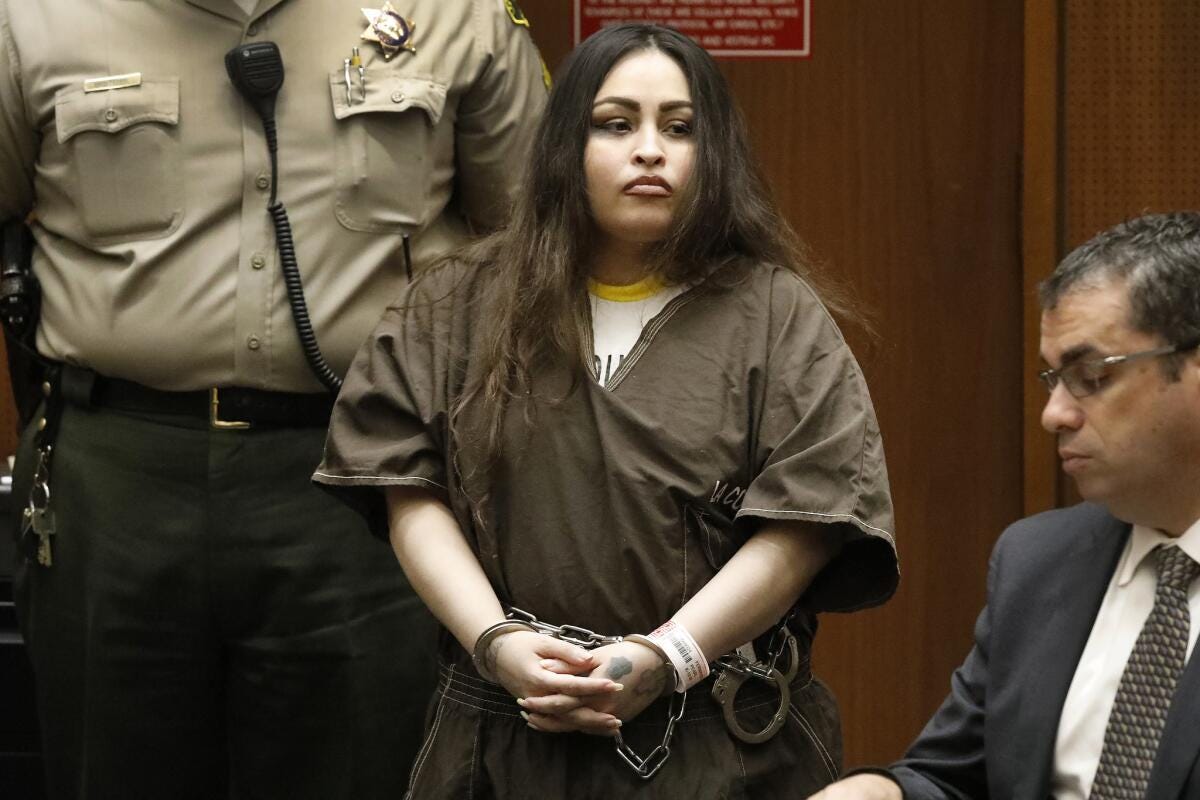
The Pearl Fernandez Plea (2018–2021)
*February 2018: Pearl Fernandez pleaded guilty to first-degree murder (special circumstance: torture) in exchange for avoiding a death penalty trial.
*June 7, 2018: She was sentenced to life without the possibility of parole.
*June 1, 2021: A judge denied Pearl’s bid for resentencing under changes to California law; her LWOP sentence stands. She is incarcerated at Central California Women’s Facility.
In 2016, the Los Angeles County District Attorney charged four DCFS employee Stefanie Rodriguez, Patricia Clement, Kevin Bom, and Gregory Merritt with felony child abuse and falsifying records tied to their handling of Gabriel’s case.
In July 2020 a judge dismissed all charges; appellate rulings left the dismissals intact. The episode fueled debate over whether criminal law should reach child-protection professionals’ case decisions, versus addressing failures through policy and discipline.
Long-form reporting and a subsequent docuseries have laid out systemic issues that converged in Gabriel’s death:
Risk-assessment and supervision failures: Multiple reports were made; safety checks and follow-ups did not interrupt the abuse cycle. Caseload pressures, documentation lapses, and supervision gaps compounded risk.
Law enforcement/DCFS coordination: Overlapping investigations did not coherently escalate despite worsening injuries.
Cultural blind spots: Educators’ concerns (including the teacher’s persistent calls) did not carry decisive weight. This mismatch between front-line observations and formal thresholds remains a recurring child-welfare problem.
In 2020 Netflix released “The Trials of Gabriel Fernandez,” a six-part series that retraced the case, the trials, and the systemic breakdowns.
It brought national attention to the local failures and spurred renewed public scrutiny of child-protection practices across L.A. County.
Where the Case Stands Today
*Isauro Aguirre: On death row in California (de jure; the state currently has a moratorium on executions).
*Pearl Fernandez: Serving life without parole; resentencing bid denied in 2021.
*Social workers: Charges dismissed in 2020.
From the Editor:
What still chills me about the Gabriel Fernandez case is the accumulation of small alarms like teacher calls, family warnings, visible injuries stacked high enough to reach the ceiling, and yet somehow not heavy enough to tip the system into decisive action.
We often tell ourselves that if we see something, say something. Here, people did. The system did nothing.
There are two hard truths I think readers deserve to sit with:
1. Front-line eyes matter. When a teacher like Jennifer Garcia keeps calling, the default can’t be “monitor and close.” It has to be “verify and protect” with the power and urgency to remove a child when evidence points to escalating harm.
2. Accountability can be systemic without being scapegoating. Prosecuting social workers didn’t fix structural problems like caseloads, training, or supervisory oversight. But ignoring those failures guarantees we’ll see this pattern again. The answer lives in better triage, better supervision, and faster, safer removals when credible injuries keep appearing.
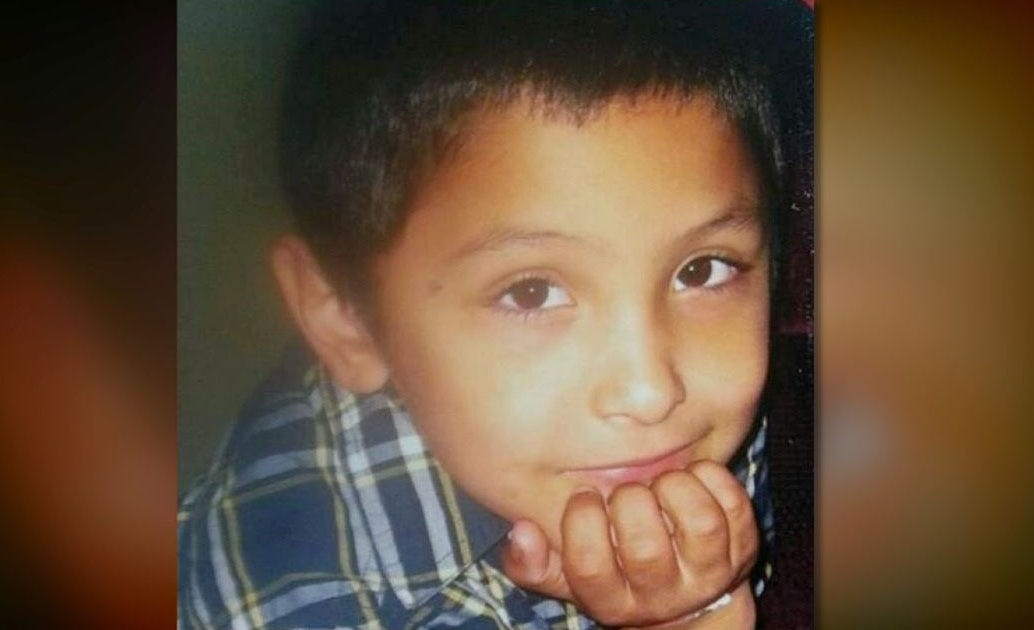
Gabriel’s life was eight years long. The last eight months were a chorus of warnings. Cases like his demand that we build a system that hears the first one.
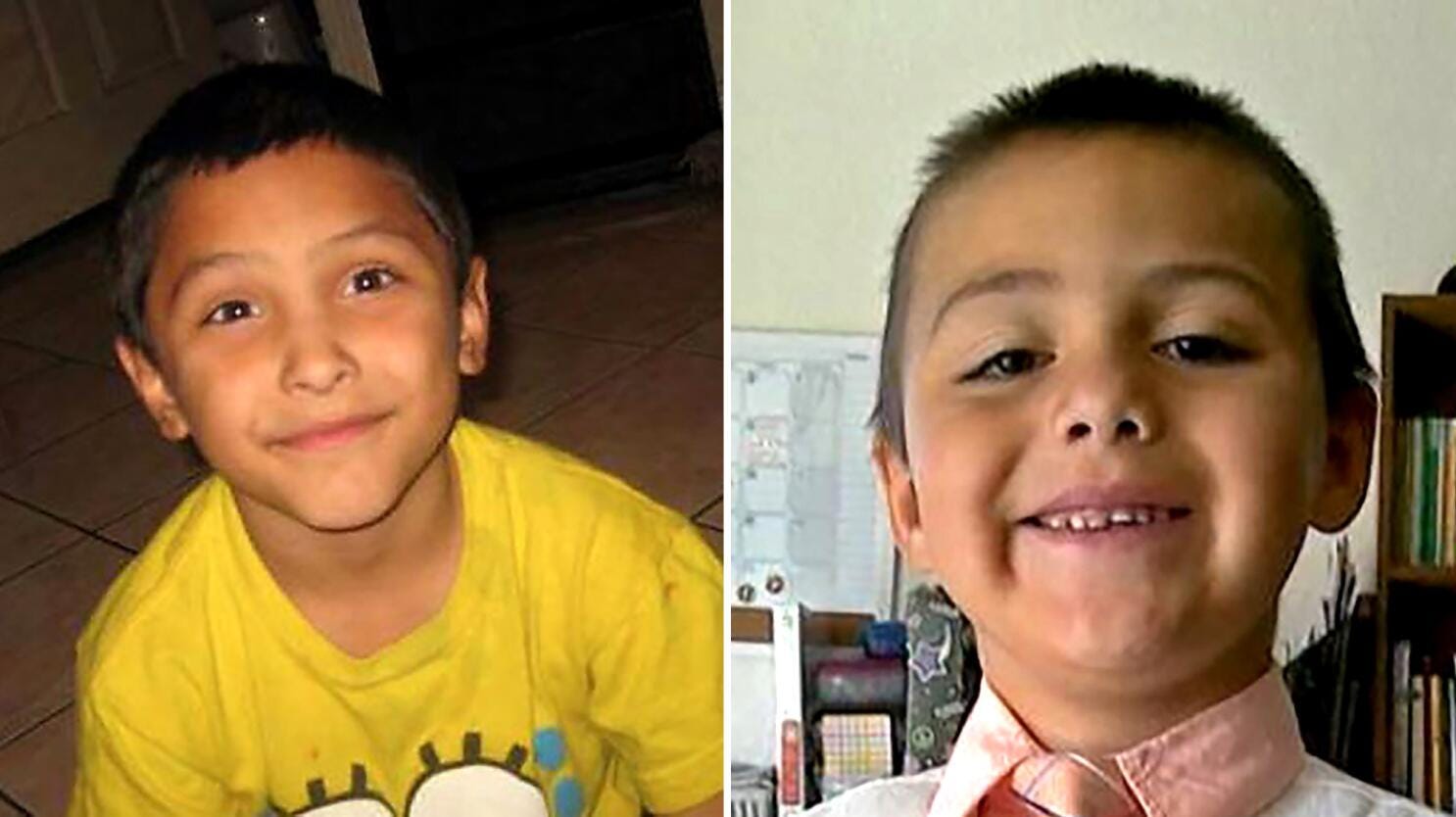
Rest in peace to Gabriel.
-AJ
 True Crime Weekly
Leave a comment