A Young Woman at a Crossroads
Elaine Park was 20 years old bright, creative, and navigating the messy transition into adulthood. She’d moved from her family home in Massachusetts to California to pursue acting, settling into an apartment in Calabasas.
Friends described her as artistic and ambitious, but also open about anxiety and stress.
In the weeks before she vanished, Elaine had been dealing with emotional strain. None of it, however, suggested she was preparing to disappear.

True Crime Weekly is a reader-supported publication. To receive new posts and support my work, consider becoming a free or paid subscriber.
The Night Everything Changed
On January 28, 2017, Elaine was out late.
She exchanged texts with friends and family that evening; nothing in them read as a goodbye. Sometime after midnight, she got into her black Honda Civic and drove north into the dark curves of Topanga Canyon a winding stretch known for blind turns, steep drop-offs, and spotty cell service.
What happened next is the only concrete piece of the case.
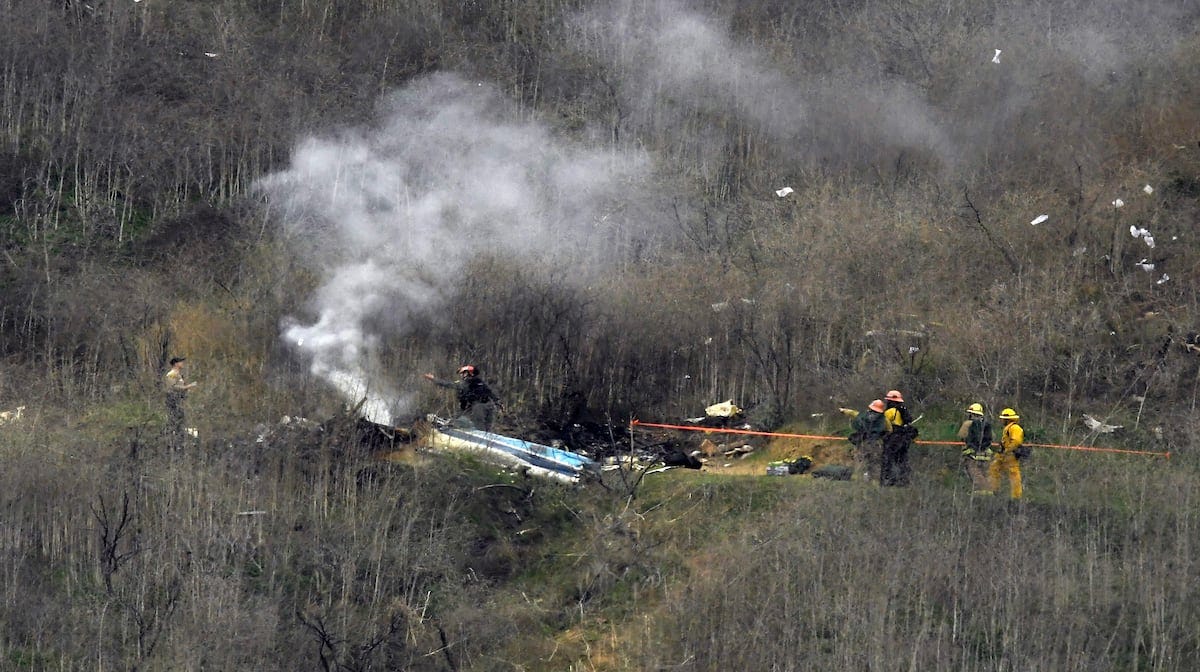
The Crash on Mulholland
In the early morning hours, Elaine’s car crashed along Mulholland Highway. The impact was violent: the vehicle sustained heavy front-end damage, airbags deployed, and a window was shattered. The car came to rest at the side of the road.
But Elaine wasn’t there.
When police arrived, they found:
- No driver at the scene
- Elaine’s phone, purse, and laptop left behind
- No blood consistent with a fatal injury
- No footprints or drag marks clearly indicating what direction she went
The engine was off. The keys were present. The scene suggested she survived the crash at least initially and left on foot.
A Search With No End Point
Authorities and volunteers searched the canyon, the brush, nearby homes, and ravines. Dogs tracked scent inconsistently, possibly disrupted by traffic and weather. Helicopters scanned steep terrain where a fall could easily go unnoticed.
Nothing definitive was found.
Elaine had simply stepped out of her wrecked car and vanished into the night.
The Theories… And Why None Fully Fit
1) Disorientation After the Crash
One theory holds that Elaine, shaken or concussed, wandered off and succumbed to exposure or fell into a hidden ravine. The canyon is unforgiving; bodies can be missed.
The problem: extensive searches failed to locate remains, clothing, or a clear path away from the road.
2) Mental Health Crisis
Elaine had been under stress, and some speculate she left the scene intentionally. But she left behind essentials, including her phone an unusual choice if she planned to start over.
3) Foul Play After the Crash
Another possibility: someone encountered Elaine after the accident. The road isn’t deserted at all hours. A passerby could have offered help or something worse.
The problem: no witnesses, no forensic evidence tying another person to the scene.
4) An Unseen Accident
Elaine may have been injured and attempted to seek help, collapsing somewhere not yet found.
The problem: years later, there’s still no trace.
A Family Searching for Accountability
Elaine’s mother has been outspoken about perceived investigative gaps questions about timelines, evidence handling, and whether early assumptions slowed momentum. The case has drawn national attention, yet remains unresolved.
What makes Elaine’s disappearance so haunting is its simplicity: a crash, a step into darkness, and nothing after.
Elaine Park didn’t vanish into thin air. She left footprints that night we just don’t know where they led. Until something definitive emerges, her case remains a stark reminder that a single moment on a dark road can fracture a life into unanswered questions.
 True Crime Weekly
Leave a comment