The Atlanta Ripper: Here is the full story:

Between 1911 and 1914, a mysterious and brutal serial killer dubbed the Atlanta Ripper prowled the streets of Atlanta, Georgia, targeting young African American women. Over 20 women were believed to have been murdered, their lives cut short in a series of gruesome attacks that shocked the city.
The Victims and Modus Operandi
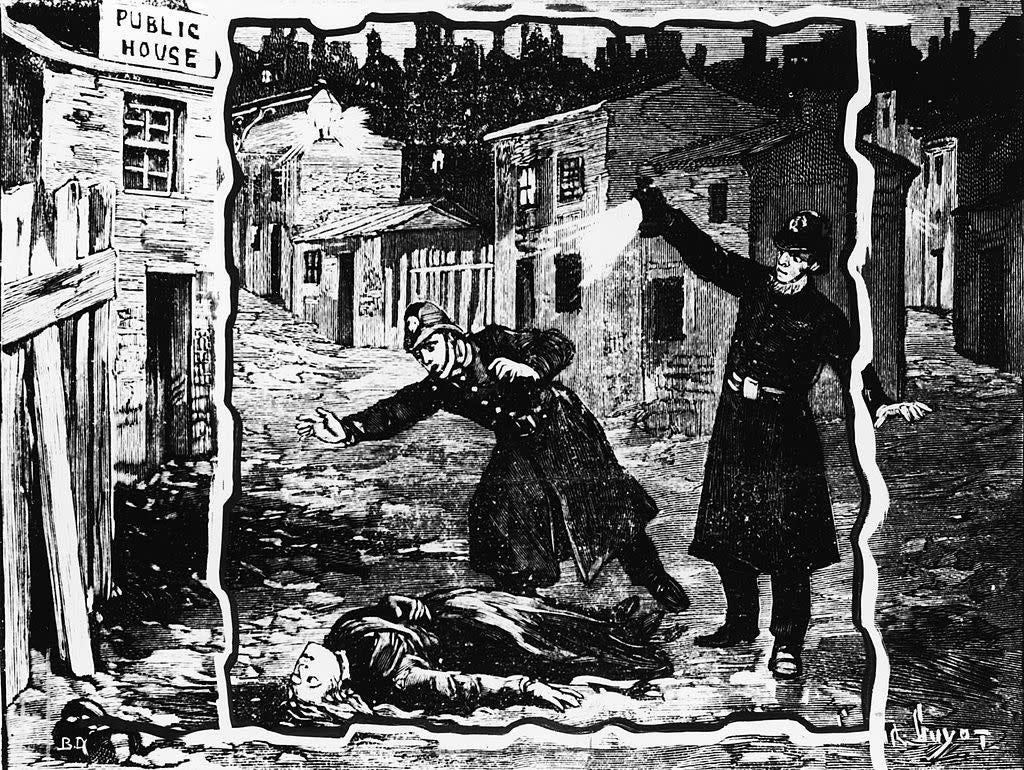
The victims of the Atlanta Ripper were primarily young African American women, many of whom worked as domestic servants. These women were often attacked while walking home from work or running errands during the evening hours. The bodies were typically found in secluded areas, such as alleys or fields, with evidence of extreme violence. The killer’s hallmark was a deep, fatal slash to the throat, often accompanied by other knife wounds to the face and body.
The brutality of these murders bore some resemblance to the infamous Jack the Ripper killings in London, hence the Atlanta Ripper moniker. However, unlike the London cases, the Atlanta Ripper targeted African American women, a demographic that faced significant marginalization in the segregated South.
Timeline
The first known victim, Belle Walker, was found in May 1911, her throat slashed and her body left in a ditch near her home. In the months that followed, reports of similar murders began to surface, each with chillingly consistent details. By the end of 1911, more than a dozen women were believed to have fallen victim to the Ripper.
Public fear reached a fever pitch as the bodies continued to appear, and newspapers of the time reported the murders with sensational headlines. Despite mounting evidence of a serial killer, law enforcement struggled to make progress in the case.
Challenges in the Investigation
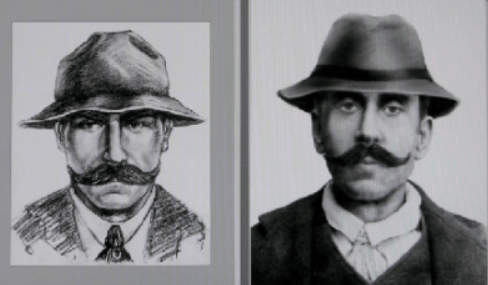
The Atlanta Police Department faced significant challenges in investigating the murders, not least of which was the systemic racism of the time. The lives of African American women were often undervalued, and resources for solving crimes in black communities were scarce. Additionally, forensic science was still not really a thing leaving investigators with little more than witness testimonies and circumstantial evidence to rely upon.
A number of suspects were arrested, including several African American men, but none were conclusively linked to the crimes. The lack of convictions only deepened the mystery and the public’s unease.
Theories and Speculations
Over the years, numerous theories about the Atlanta Ripper have emerged. Some suggest the killer was a lone predator, possibly someone familiar with the neighborhoods and routines of his victims. Others speculate that the murders could have been the work of multiple individuals, possibly mimicking each other’s crimes.
The lack of definitive evidence and the racial biases of the era make it difficult to assess whether the Atlanta Ripper was a single killer or a series of unrelated perpetrators.
The Atlanta Ripper murders had a profound impact on the African American community in Atlanta. Women were urged to avoid walking alone, and families banded together to protect their loved ones. Churches and community groups organized efforts to demand justice and accountability from local authorities, but these efforts were often met with indifference.
The Atlanta Ripper case remains unsolved. The lack of closure has kept the story alive in true crime circles.
Had you heard of this case before?
What are your thoughts?


Leave a comment