Stamford, Connecticut, November 8, 2002 a Harvard-educated pharmaceutical executive was stabbed to death in her townhouse by a woman so consumed by obsession that she then tried to kill her own husband. The case that followed involved a fake 911 call, a single drop of blood, and one of the most chilling examinations of romantic fixation in modern American true crime
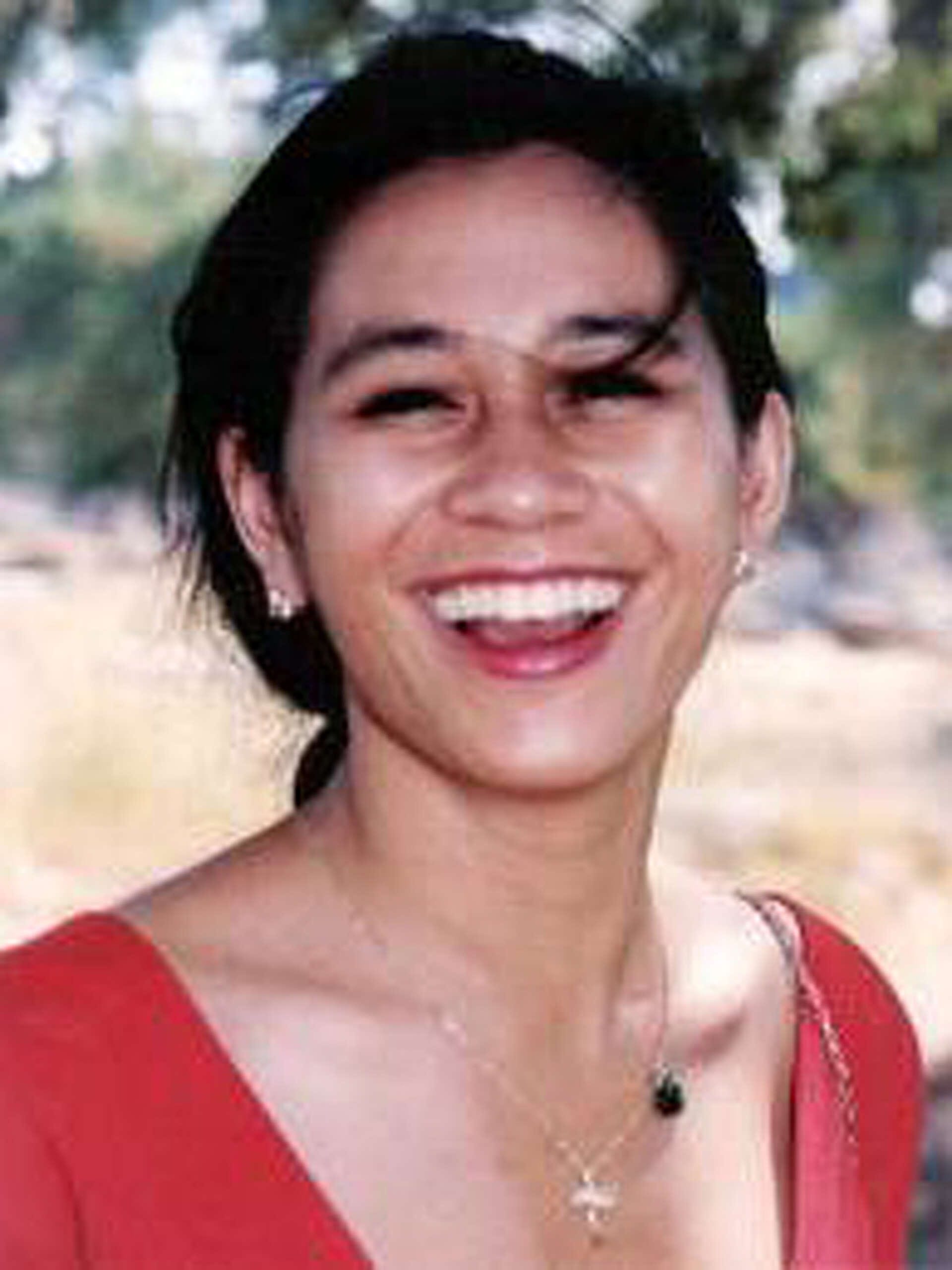
123 Harbor Drive, Stamford
On the morning of November 8, 2002, Stamford police received an anonymous 911 call. A woman’s voice told the dispatcher that a man was attacking her neighbour at apartment 105, and gave an address. When officers arrived at that address, they found nothing. The address was wrong.
If you enjoy my true crime coverage, please help me continue my newsletter by upgrading here for only $5 a month:
They were dispatched to the correct address 123 Harbor Drive, apartment 105 where they found thirty-two-year-old Anna Lisa Raymundo dead on the floor of her hallway.
She had been struck on the head multiple times before being stabbed nine times in the neck, chest, and face.
The front door showed no signs of forced entry. Whoever had killed her had been let in, or had a key, or had been admitted by someone who opened the door willingly.
The 911 call the one with the wrong address, the one designed to send police somewhere other than the real crime scene would become the thread that eventually unravelled everything.
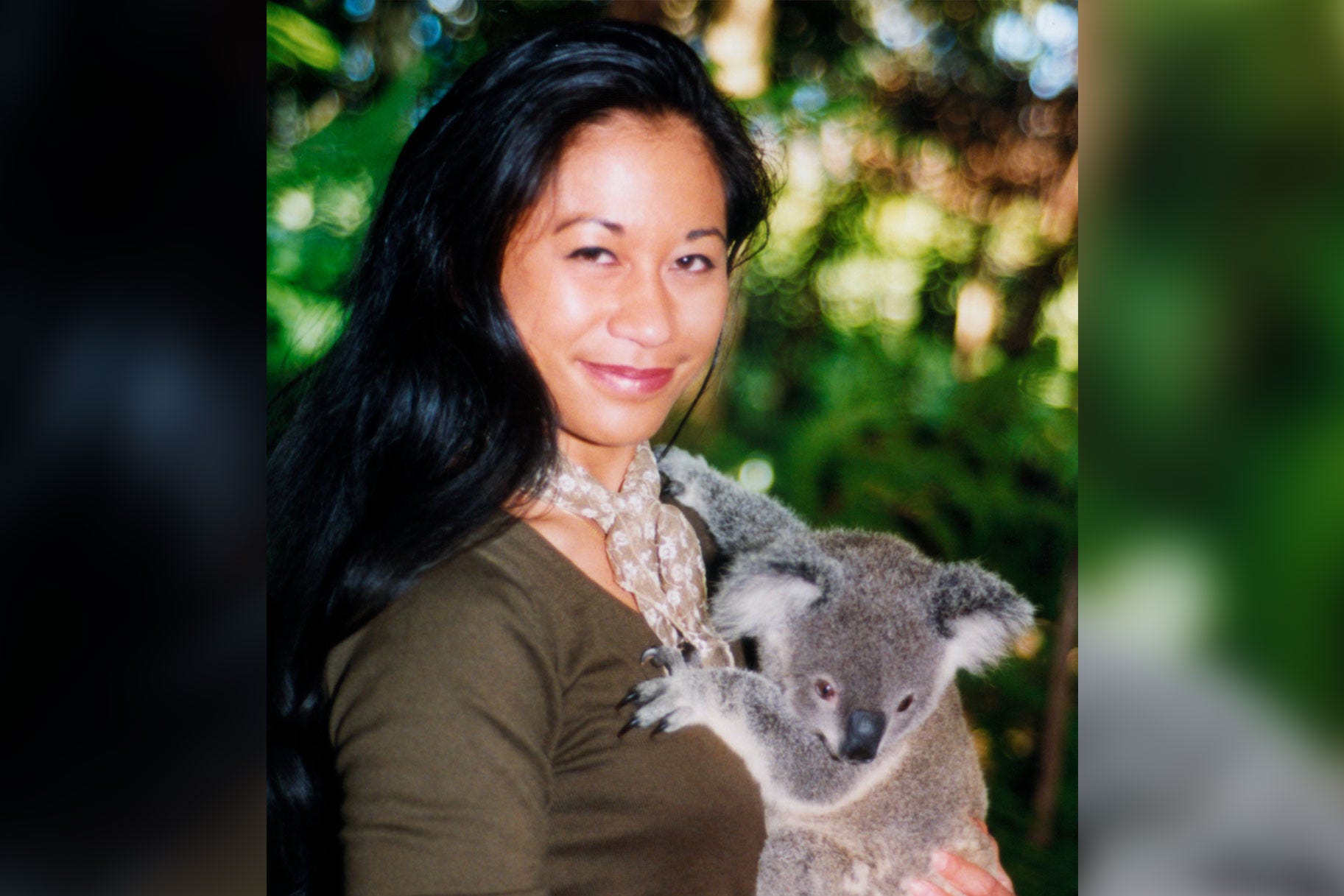
Who Anna Lisa Was
Anna Lisa Raymundo was a thirty-two-year-old New York native and Harvard University magna cum laude graduate who worked in pharmaceutical sales at Purdue Pharma’s offices in Stamford, Connecticut.
She had grown up in a Filipino American family her parents, Dr. Renato and Dr. Susan Raymundo, were both physicians and she had excelled academically across every stage of her education before building a career in the pharmaceutical industry.
She was engaged. Her fiancé was a man named Nelson Sessler, also a Purdue Pharma employee, whom she had been dating seriously since mid-2002. They had been spending most nights together at her Stamford townhouse. On the morning of November 8, Sessler had left for work at 9:37 a.m. approximately an hour before Anna Lisa was found dead.
Two hours before Anna Lisa was found dead at 10:34 a.m., she had called her mother, Dr. Susan Raymundo, at the family’s Florida home. Dr. Raymundo had been at the hospital with her own mother when Anna Lisa called, which she did about twice a day.
The phone went unanswered. The call was logged. It was the last thing anyone heard from Anna Lisa Raymundo before she was dead on her hallway floor.
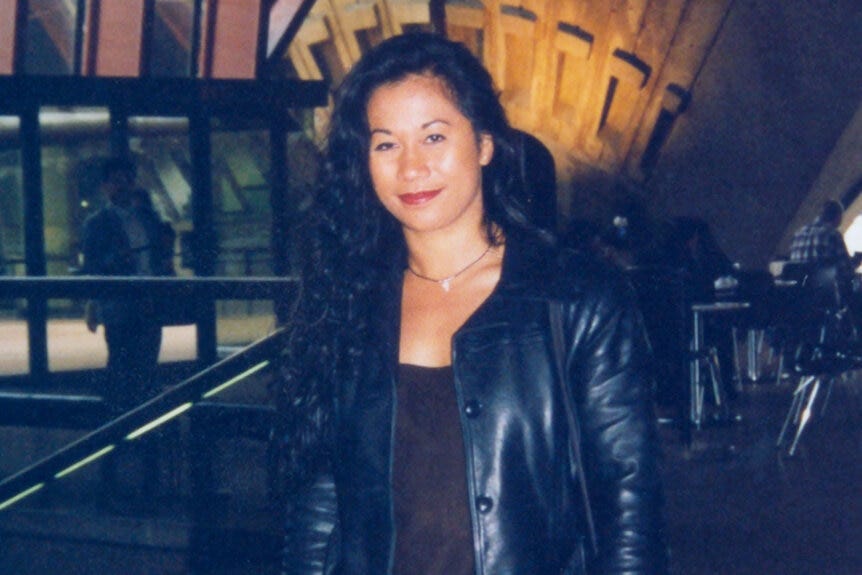
The Love Triangle
Nelson Sessler had not come to Anna Lisa Raymundo unattached. He had been involved, for a period preceding his relationship with Anna Lisa, in an affair with a colleague at Purdue Pharma. Her name was Sheila Sara Davalloo.
Sheila Davalloo worked as a scientist at the same company where Sessler and Raymundo were both employed. She and Sessler had been in what she described as a relationship one that had been on and off, complicated, intense on her side. There was a significant detail she had concealed from him throughout: she was married.
She lied to Sessler that she was divorced. By mid-2002, Sessler was only in a relationship with Anna Lisa.
Sessler had made his choice. He and Anna Lisa were together. He was spending his nights at her apartment. They were engaged. The relationship with Davalloo was over over from his perspective, anyway.
From Davalloo’s perspective, it was not over. It was simply interrupted by a woman who needed to be removed.
The investigation revealed that Sheila had previously had violent fights with Anna Lisa’s boyfriend, Nelson Sessler. She interfered in their relationship several times and considered herself Sessler’s real girlfriend.
In the weeks before the murder, the situation had escalated beyond confrontations and interference.
A few weeks before the murder, Anna Lisa Raymundo was stalked and attacked by someone, but she survived. This prior attack which Anna Lisa survived was reported to investigators and would become a significant piece of the evidentiary picture. It established that someone had targeted Anna Lisa specifically, that the killing of November 8 was not an isolated spontaneous act but the culmination of a sustained campaign.
That someone, prosecutors would argue, was Sheila Davalloo.
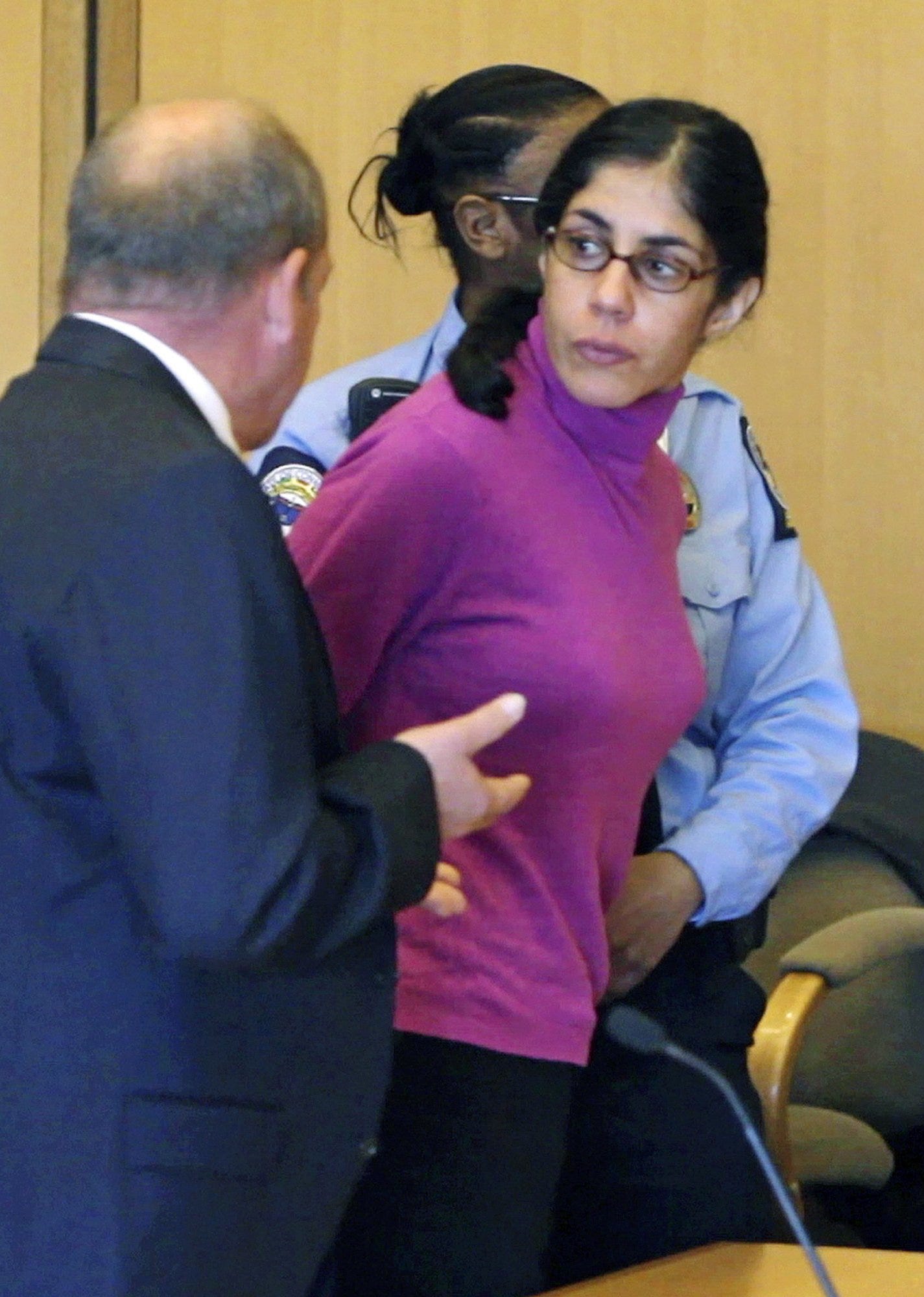
The Morning of November 8
On the morning of November 8, 2002, Sessler left the apartment at 9:37 a.m. and went to work. Anna Lisa was alone.
On the morning of November 8, 2002, Davalloo went to Raymundo’s condo at 123 Harborview and struck her on the head multiple times before stabbing her nine times in the neck, chest, and face.
The attack was sustained and personal. It was not the quick, surgical violence of someone who wanted a death and nothing more. It was the violence of someone who felt something rage, or jealousy, or the particular frenzy of a person who has spent months constructing a plan and is finally executing it.
Afterward, Davalloo attempted to clean up the crime scene and herself before fleeing. She then went to a nearby restaurant on Shippan Avenue and used the payphone to call 911. Davalloo pretended to be a neighbour, telling an operator that a man was attacking someone in apartment 105. When the operator became suspicious of her location, she hung up.
The call was designed to do two things: alert police that something had happened at the apartment, so that the death would be discovered promptly, and simultaneously implicate a male attacker, misdirecting the investigation away from a woman. The false address was an added layer of misdirection giving police somewhere else to go first while Davalloo put distance between herself and the crime scene.
Stamford police officers were dispatched to Raymundo’s condo, and when they arrived, they found her dead on the floor in the hallway.
The 911 Call and the Voice
The 911 call from the payphone at the Shippan Avenue restaurant was recorded, as all 911 calls are. What the caller had not accounted for or had not fully considered in her planning was what could be done with a voice.
Three major pieces of evidence led the jury to find Davalloo guilty of first-degree murder her fraudulent 911 call, a drop of her blood at the crime scene, and her lack of an alibi.
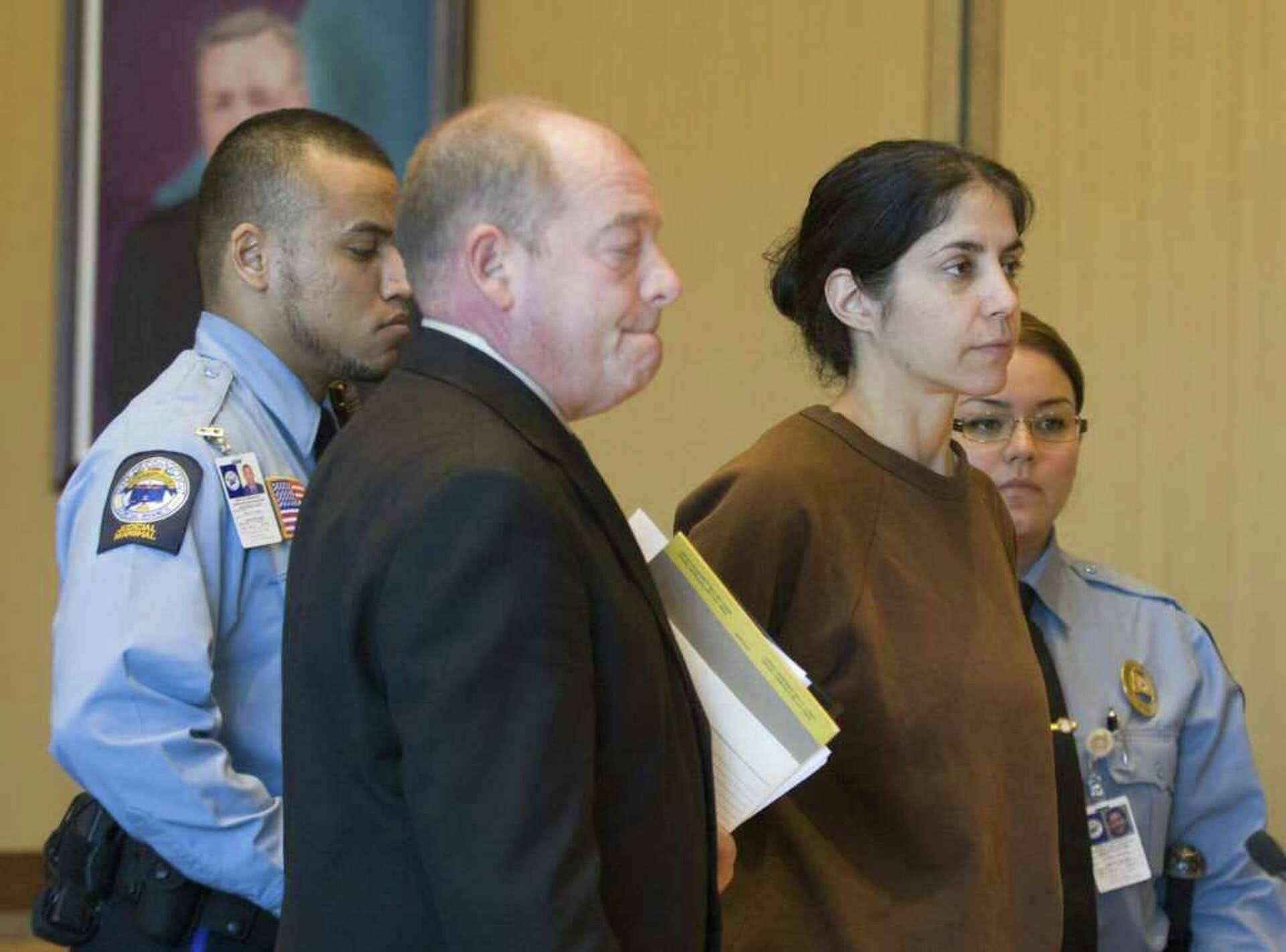
On the fourth day of the trial, a voice recognition expert, Tom Owen, identified Davalloo as the owner of the voice of a woman making the 911 call at 12:13 p.m. The voice on the recording the woman who claimed to be a neighbor, who said a man was attacking someone, who gave the wrong address was identified as Sheila Davalloo.
But the voice evidence, while compelling, might not have been sufficient on its own. What made the case against Davalloo essentially unassailable was the second piece of evidence: a single drop of blood.
At the crime scene, investigators found biological material that did not belong to Anna Lisa Raymundo. A drop of blood small, easily overlooked, presumably left during the violence of the attack was tested against Davalloo’s DNA.
It matched.
Sheila Davalloo’s blood was at the scene of Anna Lisa Raymundo’s murder. Her voice was on the 911 call made from a restaurant two blocks away minutes after the body was discovered. She had no alibi for the morning of November 8, 2002.
The Husband: A Parallel Crime
While the investigation into Anna Lisa’s murder was ongoing, Davalloo’s husband Paul Christos was still alive, still married to a woman who had just murdered a romantic rival.
The two continued their affair after Anna Lisa’s death. After Raymundo’s death, Davalloo and Sessler continued their love affair; however, there was one more person standing in their way: her husband, Paul Christos.
What Davalloo did next was so consistent with the logic of what she had already done that it would, in retrospect, seem almost inevitable: she tried to kill her husband too.
Davalloo was subsequently found guilty in the attempted murder of her husband so she could have her co-worker, Nelson Sessler, all by herself. She was sentenced to 25 years for the stabbing of her husband, Paul Christos, in 2003 in their home and a hospital in New York.
She had stabbed Christos twice once at their home, and then, when he survived that attack and was recovering in a New York hospital, she had gained access to the hospital and attacked him again. He survived both attempts. She was charged and convicted of attempted murder.
By the time investigators and prosecutors were ready to bring the Anna Lisa Raymundo murder charges, Davalloo was already serving twenty-five years.
The Trial for Murder
The trial for Anna Lisa’s murder came years after the attempted murder conviction. The jury convicts for Anna Lisa Raymundo’s murder following a two-week trial at Stamford Superior Court.
Davalloo’s defence raised alternative theories. A defence witness named Gary Riley, who had been jailed for burglary, testified that he had seen a man and a woman arguing outside Raymundo’s condo on the morning of the murder.
But when Davalloo presented Riley with the photo of Raymundo during the trial, Riley could not positively identify if it was the same woman he saw arguing outside Raymundo’s condo.
And when Riley described the woman he saw calling 911 at a nearby fast food restaurant, he described her as older than the then-thirty-two-year-old Davalloo.
The defence’s attempt to introduce reasonable doubt through Riley’s testimony was significantly undermined by the specificity of what the state had: a voice expert identifying Davalloo’s voice on the recording, DNA connecting her to the crime scene, and the established pattern of obsessive behaviour that had already resulted in a separate attempted murder conviction.
The jury convicted.
Dr. Renato Raymundo, Anna Lisa’s father, told reporters at the start of the trial: “I just wanted to have closure on the death of my daughter.” On the day the verdict was read, Dr. Raymundo and his wife, Dr. Susan Raymundo, were a picture of happiness as they shed “tears of joy” after the reading of the verdict.
Sheila Davalloo: The Psychology of Obsession
Sheila Sara Davalloo is not an easy person to understand, and the accounts that exist of her from her own exclusive prison interview on a television documentary, from court records, from the testimony of people who knew her do not fully resolve into a coherent picture.
She was highly educated: a PhD scientist employed at one of the world’s largest pharmaceutical companies. She was professionally accomplished. She was someone who, from the outside, occupied the kind of life that is supposed to insulate against the complete breakdown of moral structure that the evidence in her cases describes.
She had created fictional characters fictional persons named “Melissa,” “Jack,” and “Anna Lisa” that she told her husband about to create emotional distance from their marital relationship.
She had, in other words, been constructing an elaborate psychological fiction around her affair with Sessler and her obsession with Anna Lisa for months before the murder. The fictional characters gave her a kind of narrative distance from what she was doing a structure in which the real Anna Lisa Raymundo, the Harvard-educated pharmaceutical executive who had stolen her man, was already a character in a story Davalloo was telling rather than a person in a life Davalloo was destroying.
She had told Nelson Sessler she was divorced when she was married. She had maintained the affair while married. She had watched Sessler choose Anna Lisa and had responded by stalking, then attacking, then killing, then attempting to kill again. Each escalation followed the previous one with a kind of internal logic that, while monstrous, was also comprehensible: if the first thing didn’t work, do more.
In the prison interview conducted for the television documentary the first time she had spoken publicly in fourteen years of incarceration she maintained that she had not killed Anna Lisa Raymundo. She offered no explanation for the blood. She offered no explanation for the voice. She said she was innocent.
Nelson Sessler
The person who sits at the center of this case the man for whom one woman was killed and another woman’s husband was twice stabbed is Nelson Sessler, and his role in events has received comparatively little scrutiny.
He did not know, when he began his affair with Davalloo, that she was married. He did not know, when their relationship ended and he moved on to Anna Lisa, that Davalloo would respond to the end of the relationship with violence. By the time Anna Lisa was murdered, he had already moved on. He was engaged to Anna Lisa. He was the one who left the apartment at 9:37 a.m., went to work, and came back to find that the woman he planned to marry was dead.
Whether Sessler had understood, before November 8, the full depth of Davalloo’s obsession whether he had known about the stalking, whether he had taken seriously the prior attack on Anna Lisa, whether he had imagined what Davalloo was capable of is not fully addressed in the public record of the case. He testified. He cooperated with the investigation. He was never charged with anything.
He is the person who survived this story with the least consequence, and also the person whose choices to conduct the affair, to end it, to move on set in motion the sequence that ended Anna Lisa Raymundo’s life at thirty-two.
The Detail That Stays
The detail that persists in this case the one that lodges in the mind and refuses to leave is not the DNA or the voice recording or the double stabbing of the husband. It is the 911 call.
Sheila Davalloo killed Anna Lisa Raymundo in her hallway. Then she cleaned herself up as best she could. Then she walked two blocks to a restaurant on Shippan Avenue in Stamford, Connecticut, and picked up a payphone, and told a dispatcher that a man was attacking her neighbor, and gave the wrong address, and hung up when the dispatcher began asking questions about her location.
She had just killed someone. And her response, in the minutes immediately following that killing, was to call the police herself to manufacture a cover story, to introduce a male perpetrator into the narrative, to give investigators a direction that was away from her and to do it from a payphone two blocks from the body, at a restaurant where a witness would later describe seeing an older woman on the phone.
She was a scientist. She was a planner. She had thought about this. And the detail that undid everything the voice on the recording, the voice that was identified as hers was the one she apparently had not fully considered. A payphone was anonymous. The call could not be traced to her. But the voice on the other end of the call was hers, and voices can be identified, and she had not thought about that when she picked up the phone.
The evidence of the single drop of blood on the crime scene would have been enough on its own. But the 911 call is the thing that makes the case psychologically complete. It is the killer reaching back to the scene, constructing a fiction, performing the role of a concerned citizen, two blocks away from the person she had just murdered.
It is, in its way, the truest expression of who Sheila Davalloo was in this case: a woman who believed she could control the story, right up until the moment the story ended and the jury came back with a verdict.
Anna Lisa Raymundo was thirty-two years old. She was a Harvard magna cum laude graduate. She worked at Purdue Pharma in Stamford, Connecticut. She called her mother twice a day. She had survived one attack before the attack that killed her. Her parents wept in a courtroom when the verdict was read. She is buried, and her killer is in prison, and the man for whom she died has not been heard from publicly since.
 True Crime Weekly
Leave a comment