Cass County, Missouri, 2007 and 2016 a seventeen-year-old girl wrote about her abusive boyfriend in careful, measured handwriting four days before she disappeared. Nine years later he killed again. It took a mushroom hunter, a decade, two missing women, and a wire-wearing ex-girlfriend to finally put Kylr Yust in prison.
The Order of Protection
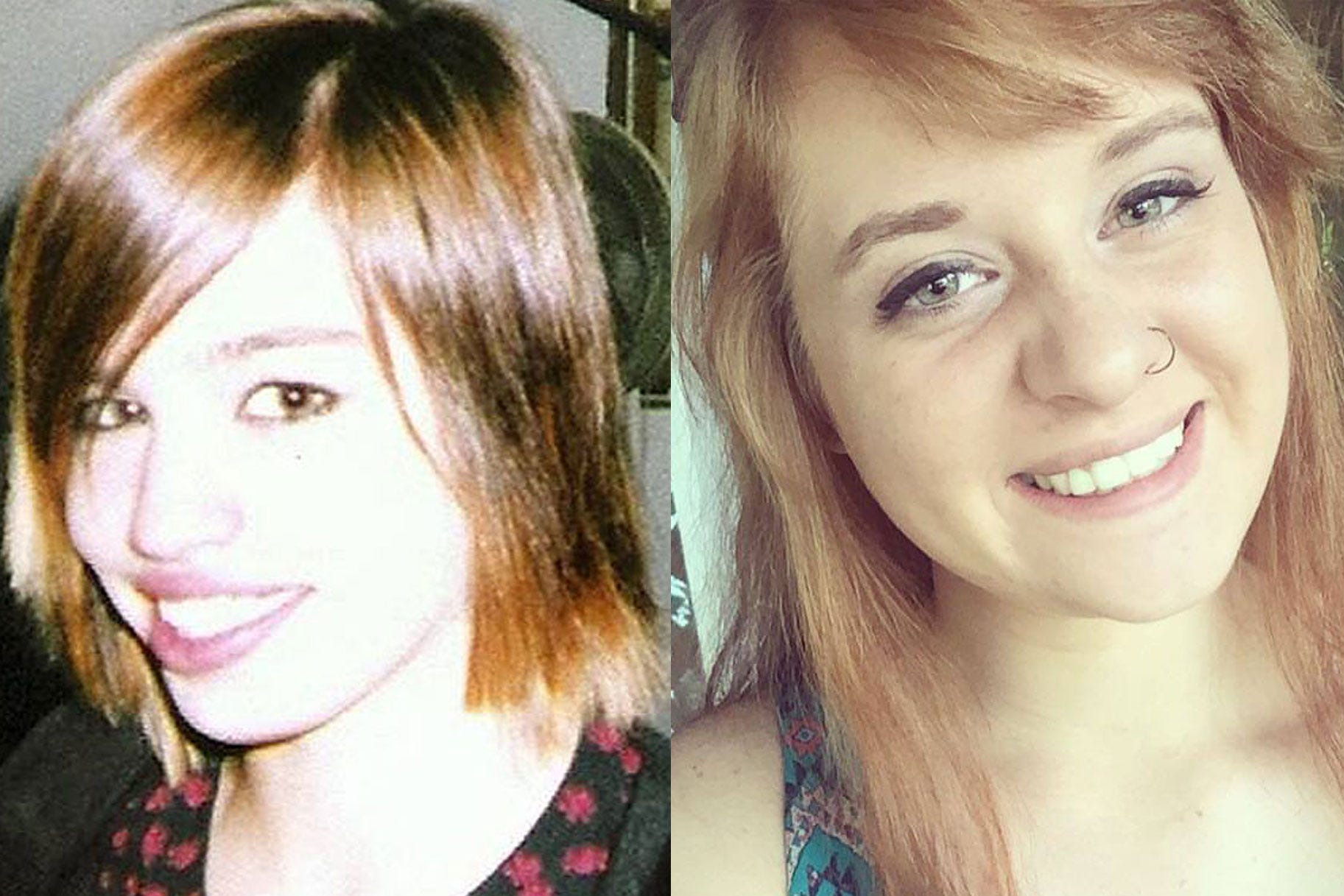
Kara Kopetsky was seventeen years old. She was a junior at Belton High School in the Kansas City suburb of Belton, Missouri, and on April 30, 2007, she walked into a courthouse and filed an order of protection against her nineteen-year-old boyfriend, Kylr Yust.
What she wrote in that filing is one of the most chilling documents in the case’s public record not because it is dramatic, but because it is so precise. She wrote in careful, measured handwriting about specific incidents: the time Yust had kidnapped her while she was leaving work, keeping her from going home. The time he had restrained her in his home. The time, the previous December, when he had held a knife and told her: “I’m gonna slit your f**ing throat.”*
If you enjoy my true crime coverage, please help me continue my newsletter and keep it free for others, by upgrading here for only $5 a month:
“I am unsure of what he will do next,” she wrote, “because the abuse has gotten worse over time.”
Four days later, on May 4, 2007, Kara Kopetsky walked out of Belton High School and was never seen again.
The Investigation That Went Nowhere
Kylr Yust was the obvious suspect from the first day. Investigators questioned him. He denied any knowledge of what had happened to Kara. He claimed a man named Jessep Carter had been with him on the day Kara disappeared. Carter would become a recurring figure in the investigation an alternative suspect that Yust promoted, a name he dropped strategically for years.
No physical evidence connected Yust to Kara’s disappearance in 2007. Her body was not found. There was no crime scene. There was no forensic evidence. There was a seventeen-year-old girl who was gone, a boyfriend she had filed a protection order against four days earlier, and his denial.
Witnesses, however, kept talking.
Over the years that followed Kara’s disappearance, investigators received a steady accumulation of accounts from people who said Yust had admitted to killing her. A former cell mate in Oklahoma, where Yust was later imprisoned on a federal drug distribution charge, said Yust had confided that he had strangled Kara and disposed of her body and had asked the man for an alibi. A former girlfriend wore a wire for the FBI and recorded Yust making admissions about Kopetsky’s death. A former roommate said Yust had told him years earlier that he had killed Kara and no one would ever find the body unless he told them where it was.
Seven separate witnesses, in total, gave investigators accounts of Yust having admitted to Kara’s killing.
None of it was enough to arrest him. There was no body. There was no crime scene. Hearsay admissions to friends and cellmates, without corroborating physical evidence, could not sustain a murder charge under Missouri law as the case then stood.
Yust continued his life. He served the federal drug sentence forty-five months, sentenced in November 2013, eligible for supervised release in September 2016.
He was released from federal prison on September 2, 2016.
Six Days Later: Jessica Runions
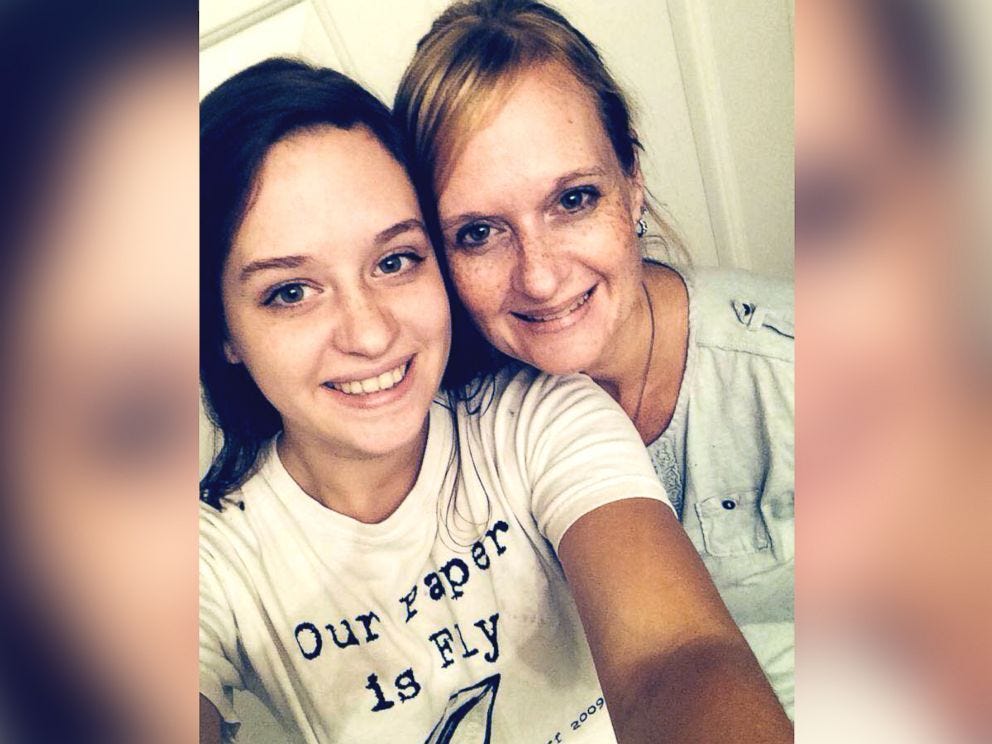
Jessica Runions was twenty-one years old. She was from Raymore, Missouri, another Kansas City suburb, and she lived the kind of social life that produces overlapping circles parties, friends of friends, the specific geography of young adulthood in mid-Missouri where everyone seems to know everyone else through two or three connections.
She knew Kylr Yust. The nature and extent of their relationship is described variously in court documents some accounts characterise it as romantic, others as more casual acquaintance but what is established is that on the night of September 8, 2016, six days after Yust’s release from federal prison, Jessica Runions was at a house party in Grandview, Missouri, and so was he.
Multiple witnesses at the party saw Jessica leave with Yust. She was seen getting into a vehicle with him at some point in the evening or early morning hours of September 8–9.
She did not come home. Her mother Jamie Runions reported her missing on the evening of September 9, 2016. Another family member had reported her missing to a different police department the previous night.
True Crime Weekly is a reader-supported publication. To receive new posts and support my work, consider becoming a free or paid subscriber.
At 2:00 a.m. on September 10, Jessica’s car was found burning on 95th and Blue River Road in Kansas City.
Kylr Yust was arrested and charged with knowingly burning a vehicle. He sat in jail on that charge and said nothing about where Jessica was.
The Mushroom Hunter
For months, Jessica Runions remained missing. Searches of the area produced nothing. Tips were followed. Yust, in custody on the vehicle charge, provided nothing useful.
On April 3, 2017 seven months after Jessica’s disappearance a person identified in court documents only as T.K. was in a wooded area near the intersection of 233rd Street and Y Highway in rural Cass County, Missouri. T.K. was looking for mushrooms. In the woods, T.K. found human remains.
The Kansas City Medical Examiner’s Office identified those remains as Jessica Runions on April 5, 2017. She had been in those woods for seven months. She had been strangled. Her body had been dragged into the wooded area but, as Yust had told a witness, “couldn’t drag her very far.”
The day after Jessica’s remains were found, a second set of bones was discovered in the same area. Older, more degraded, the result of ten years of exposure. The FBI Crime Laboratory in Quantico, Virginia, eventually identified those remains on August 16, 2017, through DNA comparison.
They were Kara Kopetsky.
She had been in those woods since 2007. For ten years, she had lain less than a mile from a highway in rural Cass County while her family searched and Yust denied and the legal system waited for physical evidence that only appeared because a mushroom hunter went into the woods on an April morning.
The Charges
Murder charges for the deaths of both Kara Kopetsky and Jessica Runions were filed against Kylr Yust on October 5, 2017. He was charged with two counts of first-degree murder and two counts of abandonment of a corpse. The charge for burning Jessica’s car was dropped once the murder charges were filed.
The charge for Kara’s death was the most legally complex. She had been dead for ten years. The physical evidence bones degraded by a decade of exposure was limited. The prosecution’s case rested significantly on the pattern of witness admissions Yust had made over the years, on the FBI wire recording, and on the order of protection Kara had filed four days before she disappeared.
Yust’s defence was built around Jessep Carter, the alternative suspect Yust had been promoting since 2007. Carter was Yust’s stepbrother. In the years since Kara’s disappearance, Carter had been arrested for arson and had his own legal troubles. Yust, testifying in his own defence, told jurors that Carter had been with him on the day Kara disappeared and at the party the night Jessica disappeared.
The defense also attacked the investigation itself. Yust’s attorneys filed motions accusing a Kansas City police officer of having inappropriate sexual contact with a witness during the investigation a claim that generated headlines and complicated the pre-trial proceedings without ultimately changing the outcome.
True Crime Weekly is a reader-supported publication. To receive new posts and support my work, consider becoming a free or paid subscriber.
The Wire Recording
Among the evidence prosecutors presented was the audio of a conversation recorded by Katelynn Farris Yust’s former girlfriend who had cooperated with the FBI and worn a wire during conversations with Yust about Kara’s killing.
In the recording, Yust discussed Kara’s death. His account, as captured on the wire, confirmed what multiple witnesses had been saying for years: that he had killed her.
At trial, Yust attempted to explain away the recording. He told jurors that Farris had seemed attracted to him because he was a murder suspect, and that he had been feeding that attraction by telling her what she wanted to hear. “I was just at a really low point in my life, and I wanted to get her attention,” he said. “I didn’t do anything.”
The jury heard the recording and heard his explanation for it.
The Verdict and the Sentences
On April 15, 2021 fourteen years after Kara Kopetsky disappeared from Belton High School a Cass County jury convicted Kylr Yust.
For Kara’s death: voluntary manslaughter. The charge, rather than first-degree murder, reflected the complexity of prosecuting a decade-old killing without direct forensic evidence. Voluntary manslaughter carries a sentence of five to fifteen years in Missouri.
For Jessica Runions’ death: second-degree murder. The more recent killing, with the witness accounts of Yust’s admission and the physical evidence of her remains in the same woods as Kara, supported the higher charge. Second-degree murder carries ten to thirty years to life.
Yust was sentenced the following day. The sentences were stacked: life in prison plus fifteen years.
He was thirty-two years old.
He had been suspected of Kara Kopetsky’s murder since May 4, 2007. He had been suspected of Jessica Runions’ murder since September 9, 2016. He had told, by the prosecution’s count, at least seven different people at different times that he had killed Kara. He had driven away from a party with Jessica six days after his federal prison release and strangled her within hours.
The Missouri Court of Appeals affirmed the convictions in 2023, ruling against all six points Yust raised in his appeal. His convictions stand.
Kylr Yust: What the Record Shows
The pattern of violence that preceded both killings is documented in Kara’s order of protection, in Yust’s criminal history, and in the accounts of people who knew him at various points in his life.
He had kidnapped Kara when she was leaving work. He had restrained her in his home. He had threatened to slit her throat with a knife in hand. He had been in and out of legal trouble throughout the years between Kara’s death and Jessica’s. He had served federal time for drug distribution. He had been released on September 2, 2016, and killed again six days later as if the time in prison had been an interruption rather than any kind of transformation.
He told multiple people he had killed. He told his prison cellmate. He told the woman the FBI equipped with a wire. He told a former roommate. He told witnesses at parties. He seemed to believe, or to have come to believe, that telling people would not matter that the absence of a body meant the absence of consequences.
He was right for ten years. And then a mushroom hunter went into the woods in Cass County in April 2017, and the woods gave up what they had been keeping.
Jamie Runions and the Kopetsky Family
The families of both women spent the years of investigation in the sustained, exhausting state that families of the missing describe as a particular kind of limbo not grief exactly, because grief requires knowledge, but not hope exactly either, because hope requires plausibility.
Jamie Runions, Jessica’s mother, reported her daughter missing within hours of her disappearance. She spent seven months not knowing where her daughter was. Then she spent the next four years from the discovery of Jessica’s remains in 2017 to the conviction in 2021 watching the legal process work its way toward the verdict.
The Kopetsky family waited fourteen years from the day Kara walked out of Belton High School to the day a jury confirmed what they had known from the first week: that Kylr Yust had killed their daughter, and that the woods in Cass County had held her for a decade while he denied it.
Both families were present for the verdict and for the sentencing. What they expressed in those moments was not satisfaction exactly the word people use when they mean something more complicated, something that combines relief and grief and the knowledge that the legal outcome does not change what was lost.
The Order of Protection
The document Kara Kopetsky wrote four days before she disappeared is the case’s most direct record of what she knew and what she feared.
She described specific incidents in careful detail. She described what he had done and what he had said. She went to a courthouse and filed the paperwork and put her name on a document that said: this man is dangerous, this man has hurt me, I need protection from what he might do.
Four days later, he did what she had written down that she was afraid he would do.
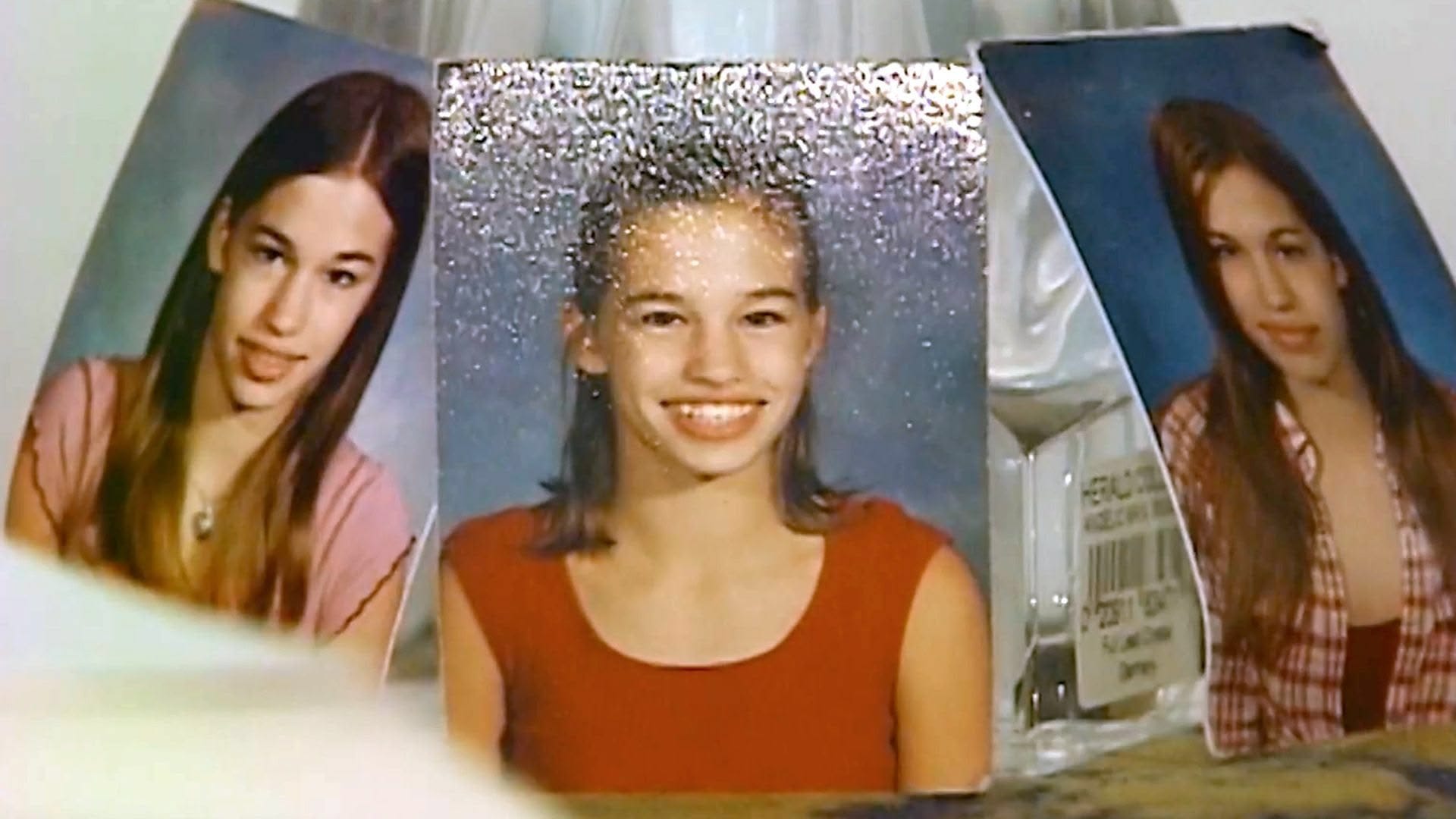
The order of protection existed in the courthouse records for fourteen years while Kara’s bones were in the Cass County woods and Kylr Yust denied everything. Then it became trial exhibit evidence. Then it became part of a conviction. Then it became part of the permanent record of what Kara Kopetsky knew and wrote down and was right about.
She was seventeen years old. She wrote it in careful, measured handwriting.
Kara Kopetsky was seventeen years old. She filed an order of protection against Kylr Yust on April 30, 2007. She disappeared four days later. Her remains were found in the woods of Cass County, Missouri, in April 2017, ten years after her death. Jessica Runions was twenty-one years old. She was last seen leaving a party with Kylr Yust on September 8, 2016. Her remains were found in the same woods. Kylr Yust is serving life in prison plus fifteen years. The Missouri Court of Appeals affirmed his conviction in 2023.
 True Crime Weekly
Leave a comment