Heather Turner was found shot dead in her home in Dallas, Georgia, on a May morning in 2017. Her manner of death sat officially undetermined for nearly a decade.
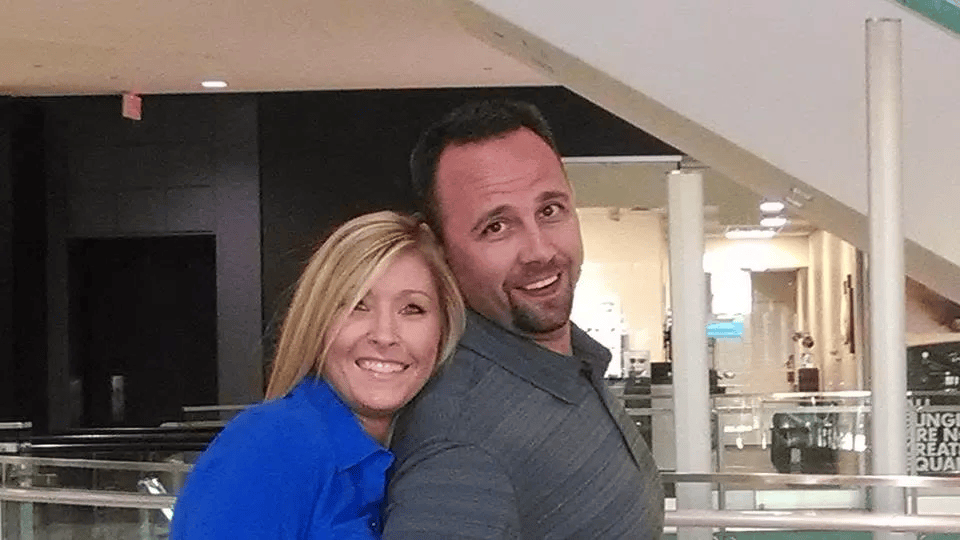
The case has since been closed as a suicide but the coroner has ordered a new inquest, and the question her family has been asking since the beginning remains open.
On the morning of May 4, 2017, a thirty-five-year-old woman named Heather Turner was found dead inside her home in Dallas, Georgia, a suburban community in Paulding County west of Atlanta. She had a single gunshot wound to the right side of her head. She was naked. She was on the bathroom floor. Her husband, Andy Turner, told responding officers that he had found her there, that he had tried CPR, that he had called his parents, and that he had then called 911 at around six in the morning. He said she had taken her own life.
What investigators found in that bathroom did not resolve into a simple picture. The Georgia Bureau of Investigation, called in to review the case, described the death as “questionable.” A note was found three words, “I’m sorry, I love you” that would become one of the disputed pieces of evidence at the center of everything that followed. A wall near the toilet appeared to have been cleaned. The bullet was not recovered. Andy Turner, Heather’s husband and the only other person known to have been in the home, was never formally interviewed in the years immediately following her death. He was never named a suspect.
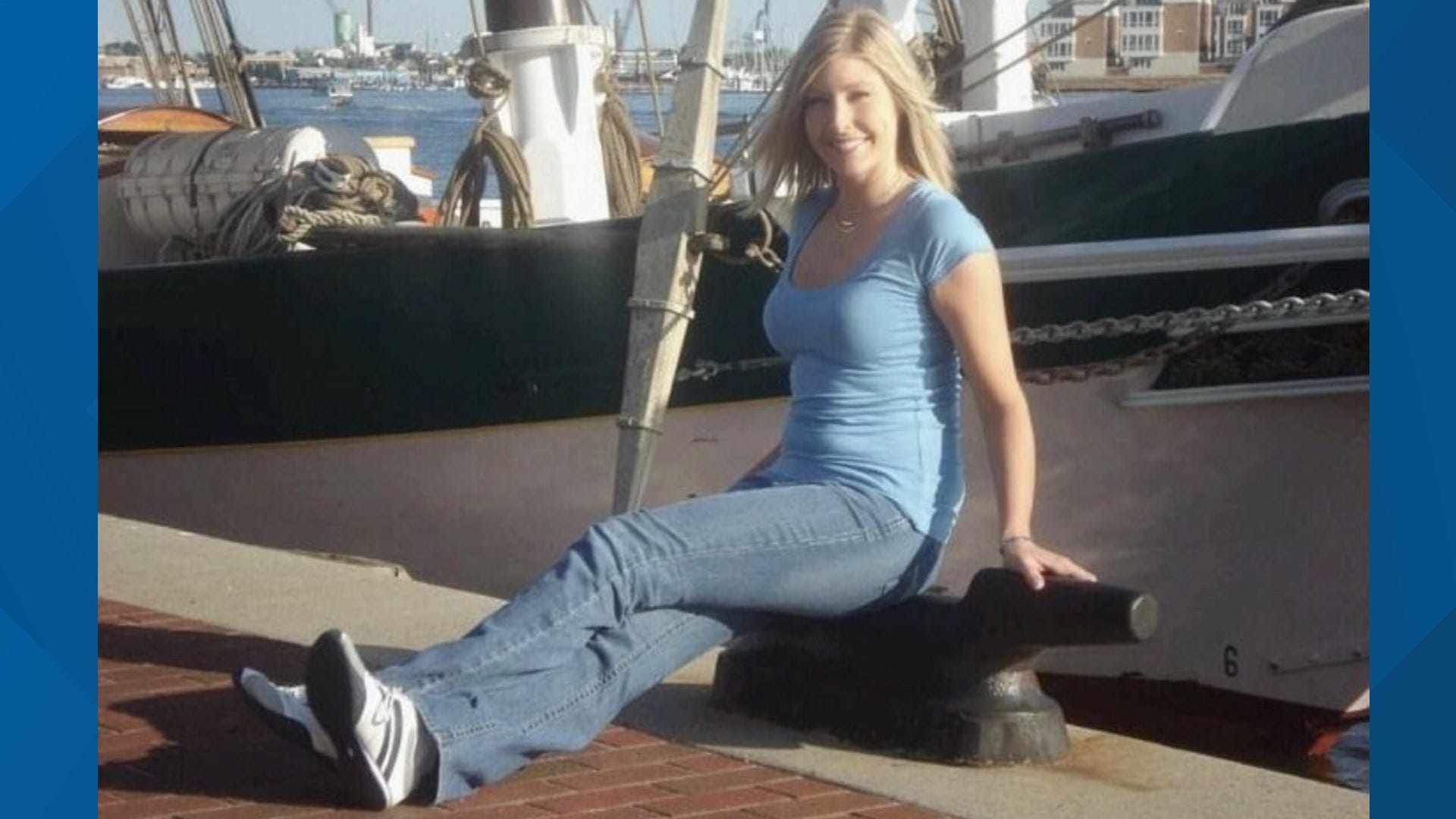
The manner of Heather Turner’s death was officially listed as undetermined, and there it stayed for the better part of nine years.
Heather had two children. She was thirty-five years old. Her friends and family, in the days and months and years after her death, said consistently and without equivocation that she was not a person who would have taken her own life that the idea was not simply unlikely but was incompatible with everything they knew about who she was. Her friend Joanie Miller, whose husband was the actor Jeremy Miller, was among those who spoke publicly about Heather.
Her aunt, Cindy Kloch, raised a question that cut to the physical implausibility of the official narrative: who gets out of the shower and shoots themselves while still wet? The sequence that suicide required the shower, the gun, the bathroom floor did not, to the people who loved her, describe the death of a woman in crisis. It described something else.
The manner of Heather Turner’s death was officially listed as undetermined, and there it stayed for the better part of nine years.
The case did not go quietly. A Facebook group, Justice for Heather Turner, eventually gathered more than five thousand followers. The case was featured on AMC+’s true crime program “It Couldn’t Happen Here,” hosted by Hillary Burton Morgan. Local news outlets in Atlanta returned to it at intervals over the years, and each return brought new attention to the same unanswered questions: why Andy Turner had not been formally questioned, what had happened to the bullet, what the cleaned wall meant, and whether the note was what it appeared to be.
The case moved to the district attorney’s office in 2019, where it remained open. In February 2026, nearly nine years after Heather’s death, the Paulding County Sheriff’s Office announced that it was closing the case. Sheriff Ashley Henson, who had not been in office when Heather died, said investigators from the GBI and the South Carolina Law Enforcement Division had reviewed the evidence and reached a conclusion: the manner of death was suicide.
He said handwriting analysis had confirmed the note was in Heather’s hand. He said her DNA and no one else’s had been found on the gun’s trigger guard. He said her hands had tested positive for gunshot residue and her husband’s had not. He said the bloodstain patterns and autopsy X-rays were consistent with a self-inflicted wound. He acknowledged that evidence had been mishandled before he took office.
“As of today,” Sheriff Henson said at the press conference, “this case is closed.”
It was not, as it turned out, the end.
In August 2026, Paulding County Coroner Lindsey Fuller announced that she was ordering a formal inquest into Heather Turner’s death. The inquest a legal proceeding uncommon in Georgia but available to the coroner’s office would convene a jury of five people, plus one alternate, to hear the evidence and determine whether Heather’s death was a homicide, a suicide, an accident, natural causes, or undetermined.
The coroner said the case deserved a process that was “fair, impartial, transparent, and provided for by the law.” She said she had no predetermined conclusion in mind and that she would accept whatever finding the jury reached. The inquest was scheduled for January 2027.
True Crime Weekly is a reader-supported publication. To receive new posts and support my work, consider becoming a free or paid subscriber.
The coroner and the sheriff, in other words, had reached different conclusions about whether the case was finished. The sheriff’s office had gathered evidence pointing one direction. The coroner’s office had decided that evidence deserved independent scrutiny in a public forum. Both institutions were operating within their authority. The result was a case that was simultaneously closed and not closed a legal limbo in which a family continued to wait, as they had waited since 2017, for someone in an official position to tell them with finality what had happened to Heather on the morning of May 4th.
What happened between the time Heather Turner’s alarm went off at five-thirty and the moment her husband called 911 at six in the morning the half-hour in which, depending on what you believe, a thirty-five-year-old mother of two either made the last decision of her life or had it made for her remains, whatever any official document says, unanswered.
Heather Turner was thirty-five years old. We need justice!
Sponsor This Newsletter!
Want to get your business, brand, or product in front of an engaged audience?
Sponsoring our newsletter is a great way to increase brand awareness, reach potential customers, and promote your products or services directly to readers who are interested in our content.
Whether you’re looking to grow your business, drive traffic, or introduce your brand to new customers, we’d love to explore a partnership!
Interested in sponsoring an upcoming edition? Email me at ajthomasmedia@gmail.com to discuss advertising opportunities, pricing, and availability.


Leave a Reply