In December 1989, four women on a road trip found a body in the Arizona desert. The victim was naked, stabbed, and unidentified. It would take more than thirty years to learn her name and another three years after that to find her two infant daughters, who had been abandoned in a California park restroom two days after their mother’s murder.
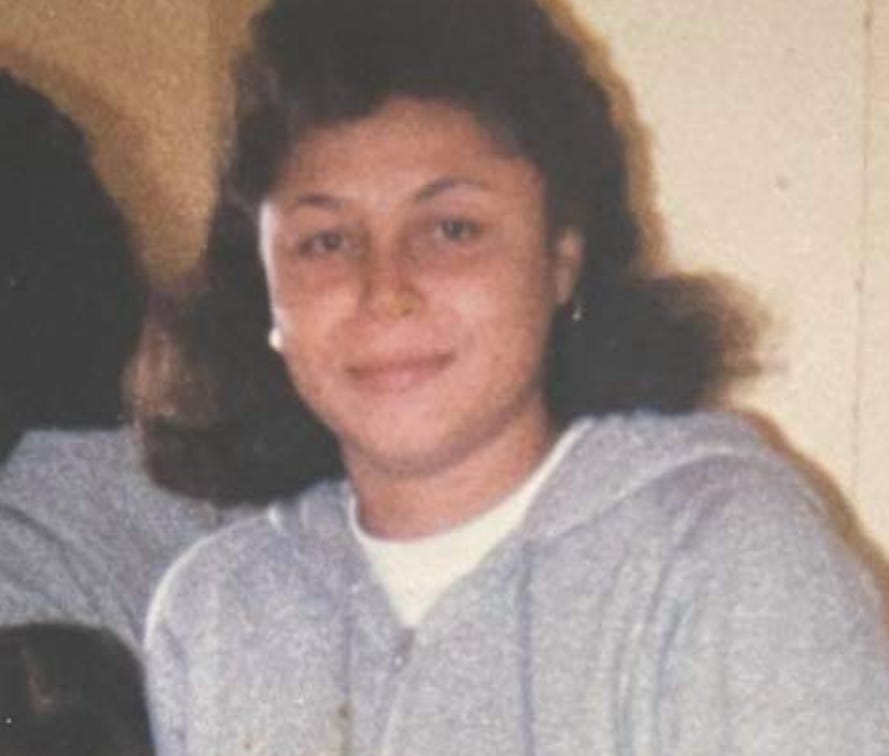
On December 12, 1989, four women driving through Mohave County, Arizona, on their way to Las Vegas found a body on a dirt road called Old Temple Bar Road, near White Hills Road in the high desert north of Kingman. The woman was naked, lying in her own blood. Investigators who responded determined she had been killed where she was found the nature and volume of the blood made clear she had not been moved. Someone had first tried to run over her head. Then they had repeatedly slashed her throat. No weapon was recovered. The closest phone was thirty-six miles away in Kingman; the women who found the body drove there to report it.
The victim had no identification. She had no belongings. She was estimated to be between twenty-five and thirty-five years old, about five foot three, with double-pierced ears. The medical examiner noted she had recently given birth. A rape kit found no evidence of sexual assault, but examination suggested she had been assaulted around her hips and abdomen before death. Investigators submitted her fingerprints and her case to the national VICAP database and sent teletypes through law enforcement channels. They published a description in a detective magazine. No one came forward who knew her. She was buried as a Jane Doe and the case went cold.
It stayed cold for more than thirty years. In 2020, a retired LAPD detective named Lori Miller joined the Mohave County Sheriff’s Office as a cold case investigator and picked up the Jane Doe file. She ran the victim’s fingerprints through newer technology the NamUS database, which had not existed when the original investigation was conducted d got a hit. The prints matched a woman who had been arrested in Bakersfield, California, in 1989 on a shoplifting charge, booked under the name Maria Ortiz. The name was an alias.
Through the Bakersfield booking record, investigators found someone who had known Maria Ortiz a woman living in Tennessee who said Ortiz had a cousin named Marina Ramos, who had gone missing in 1989 and had never been found. A DNA comparison confirmed it. The woman in the desert was Marina Ramos. She was twenty-eight years old when she died.
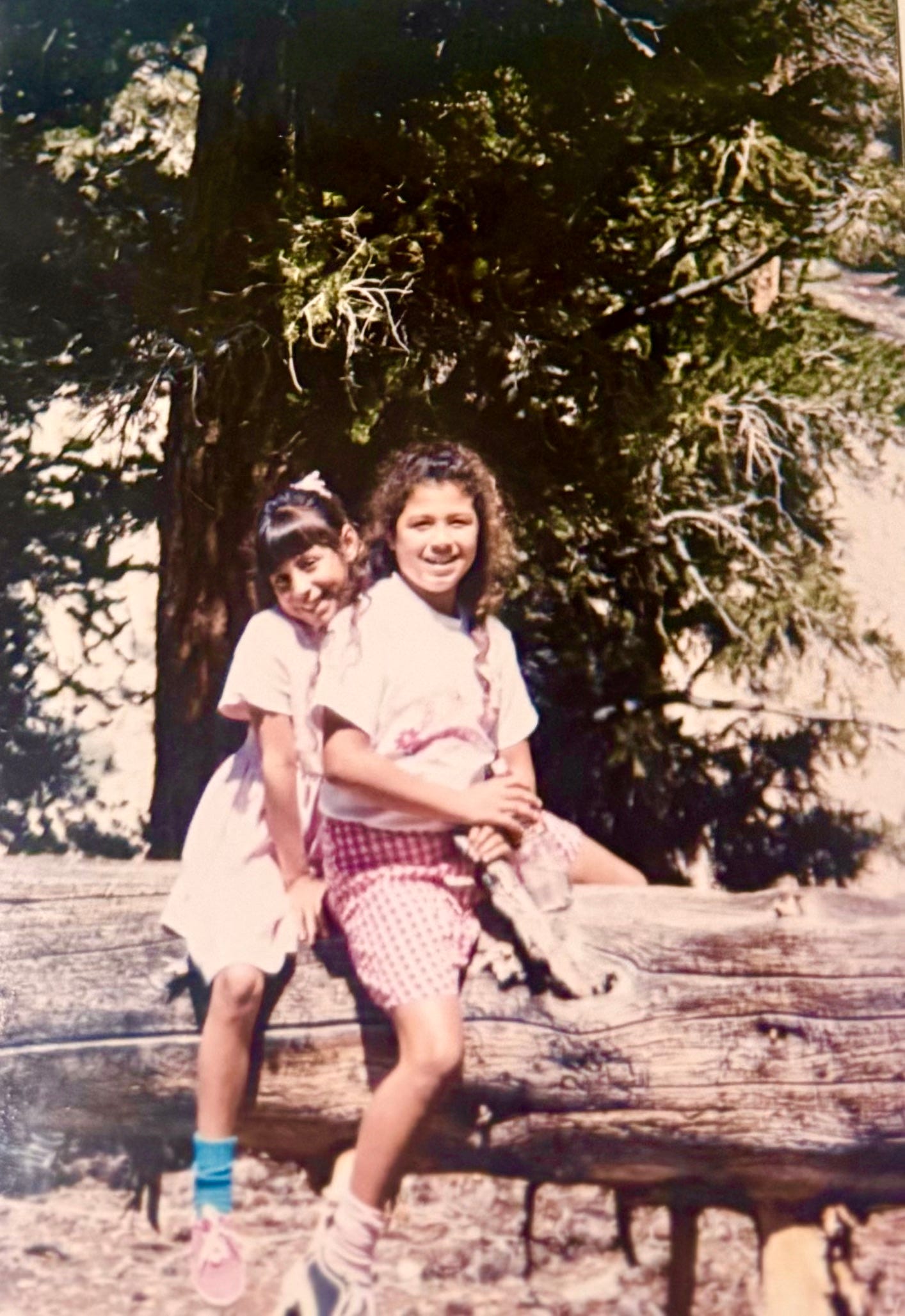
The woman in the desert was Marina Ramos. She was twenty-eight years old when she died. And she had not been alone when she disappeared.
Marina had grown up in Lamont, California, the oldest of five children from a family of Puerto Rican descent. She was known to her family as rebellious, someone who drifted she had clashed with her parents, moved away from most relatives, and surfaced irregularly in the lives of the people who loved her. The family members who stayed closest to her were her sister Margarita and her cousin Esther. She also had an older daughter, Maria, who had been raised by Marina’s mother in Puerto Rico and who had grown up not knowing what had become of her mother.
When investigators contacted Marina’s family to tell them what they had found, the family asked a question that opened the case into something larger: where were Marina’s two babies?
Marina had two infant daughters when she disappeared. Elizabeth had been born in June 1988. Jasmin had been born in 1989 while Marina was held in jail on the Bakersfield shoplifting charge born, literally, in custody. When Marina vanished in September 1989, Elizabeth was about fourteen months old and Jasmin was roughly two months. Marina’s family had assumed, in the absence of any other information, that Marina had simply settled somewhere with the girls and stayed out of contact. It was the kind of assumption families make when someone disappears into a life rather than out of one. For more than thirty years, no one had reason to think otherwise.
But two days after Marina’s body was found in the desert on December 14, 1989 two infant girls had been left in a restroom at a park in Oxnard, California, nearly two hundred miles from the murder scene. A witness heard crying and found the babies on the wet floor of the restroom, alone, with no adult in sight. Someone had also been seen near the park traveling in a black mini pickup a woman and two men with children. Child Protective Services took the girls into care. They were eventually adopted by a couple from Ventura County and raised in California, growing up with no knowledge of who they were or where they came from.
Investigators had no photographs of Elizabeth and Jasmin. Marina’s family had none, either the girls had been infants, and Marina’s transient life had not generated the kind of paper trail that preserved such things. Without images, age-progression efforts were impossible. The girls’ Social Security numbers had been obtained at some point for public assistance purposes, but there had been no activity under either number for decades.
Lori Miller, working the case from Mohave County, believed the girls might have been given new identities and might still be alive somewhere. She began building a DNA profile from the abdominal evidence the 1989 medical examiner had preserved a speck too small for the technology of that era and in 2023 the sheriff’s office renewed public outreach, asking anyone who thought they might be one of Marina’s daughters to submit a commercial DNA test and upload it to GEDmatch or FamilyTreeDNA.
In August 2025, investigators identified a woman with a high DNA match to the Ramos family. Working with a genetic genealogist, they located both sisters. The women provided DNA samples. The results confirmed their identities. Elizabeth, who had grown up under the name Melissa, was living in Arizona. Jasmin, who now went by Tina, was living in Oregon. Both had been adopted by the same Ventura County family and raised together. The Mohave County Sheriff’s Office announced on September 22, 2025, that Marina Ramos’s daughters had been found alive thirty-six years after they had been left on the floor of a park restroom by people who have never been identified.
True Crime Weekly is a reader-supported publication. To receive new posts and support my work, consider becoming a free or paid subscriber.
The person or people who killed Marina Ramos have not been found. Investigators believe there were two suspects based on footwear impressions at the scene; the tire impressions suggested a mid-size sedan, inconsistent with the black pickup truck seen at the Oxnard park. Family members have named two men known as Fernando one Marina’s on-and-off boyfriend, who was reportedly abusive; another a man the family knew only by that name and a nickname, Monico, whose real name they did not know, who was seen taking Marina and the girls toward Ontario, California, in a large SUV in 1989. A male DNA profile developed from the crime scene evidence is in the CODIS database. It has not matched anyone. The desert road where Marina was left is remote enough that investigators believe whoever brought her there knew it existed.
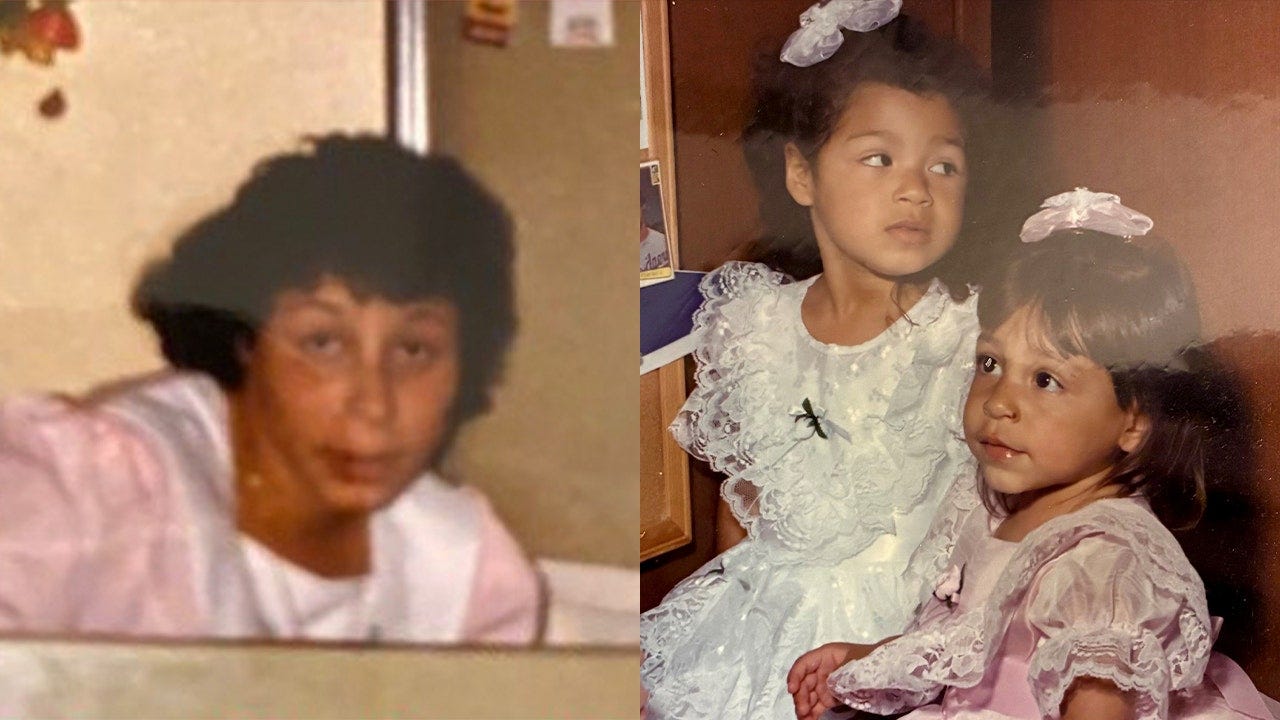
Marina Ramos’s cousin Esther the woman who confirmed her identity, who remembered the girls, who cooperated with investigators through years of renewed effort died in 2023, two years before Elizabeth and Jasmin were found. She spent the last years of her life not knowing what had become of them. Marina Ramos was twenty-eight years old.
Sponsor This Newsletter!
Want to get your business, brand, or product in front of an engaged audience?
Sponsoring our newsletter is a great way to increase brand awareness, reach potential customers, and promote your products or services directly to readers who are interested in our content. Whether you’re looking to grow your business, drive traffic, or introduce your brand to new customers, we’d love to explore a partnership!
Interested in sponsoring an upcoming edition? Email us at ajthomasmedia@gmail.com to discuss advertising opportunities, pricing, and availability.


Leave a Reply