On June 19, 2026, a park ranger approached a parked BMW near Independence Mall in Philadelphia. Inside were a man named Eugene Horsch and a woman whose circumstances immediately raised concerns.
The woman expressed fear that Eugene might hurt her. Investigators subsequently discovered that she possessed identification bearing the name of Blair Tonzelli, a woman who had been missing for years. Eugene also allegedly possessed firearms and fraudulent law-enforcement credentials.
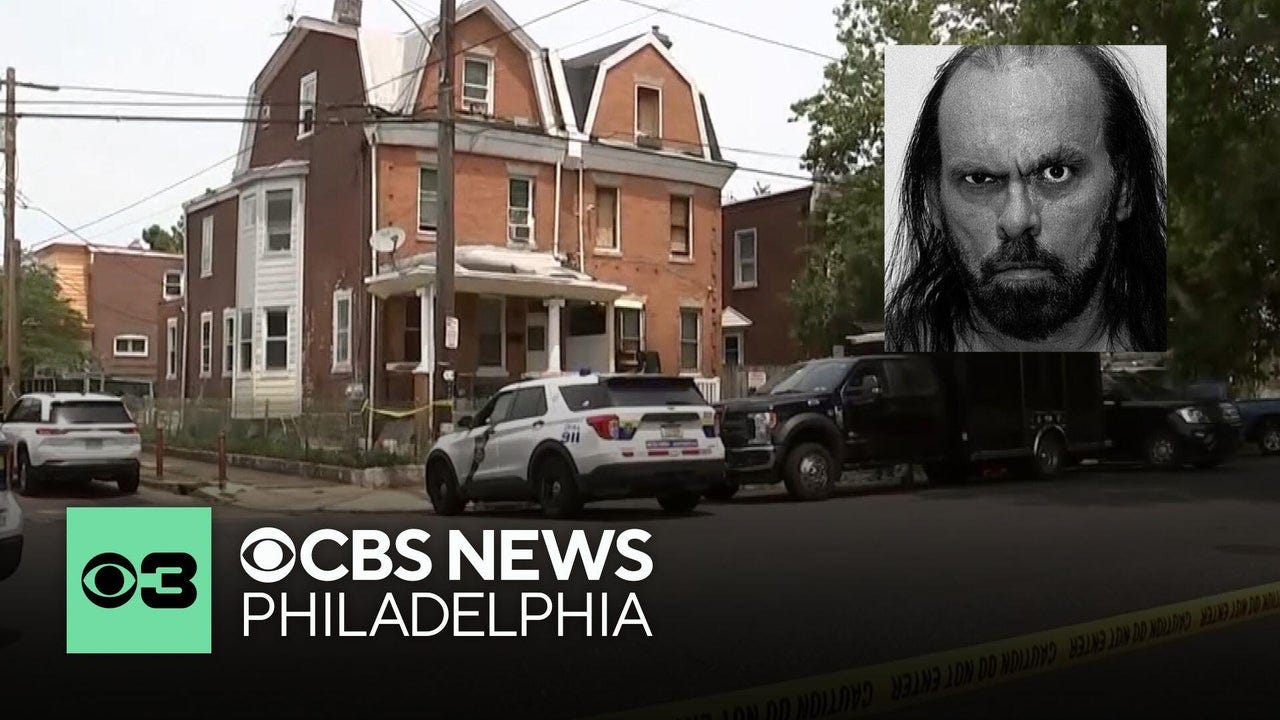
What initially appeared to be a troubling encounter involving two people quickly became something much larger. The discovery prompted investigators to examine Eugene’s connections, including a property at 417 West Chew Avenue in Philadelphia’s Olney neighborhood.
Within days, that house would become the center of an extraordinary investigation into missing women, possible killings, and a family history that had largely escaped public attention.
If you enjoy my true crime coverage, please consider upgrading here to support my work:
Behind the Walls of 417 West Chew Avenue
The house was a deteriorating three-story rowhome, its appearance giving little indication of the scale of the investigation that would unfold inside. When authorities searched the property, they reportedly discovered firearms, fraudulent federal identification, drugs, chemicals, concealed spaces, and a large industrial drum connected to additional equipment. Investigators also recovered extensive digital material.
The combination of physical evidence and information about missing women made the property especially concerning. But investigators faced a fundamental challenge: determining which discoveries represented criminal activity, which were connected to missing people, and which might have innocent or alternative explanations.
The digital evidence was particularly disturbing. Investigators recovered an enormous collection of photographs and videos, some showing women in circumstances that raised questions about violence and possible deaths.
The search did not produce the bodies of the missing women, however. That absence would become one of the most difficult aspects of the case.
The Men Connected to the House
Two names became central to the investigation: Eugene Horsch and his father, Raymond Horsch, who was also known as R.C. Raymond had spent years producing provocative photography and videos involving women, including women experiencing addiction and economic hardship in Philadelphia’s Kensington neighborhood. His work had previously attracted scrutiny because of its violent and sexually explicit themes.
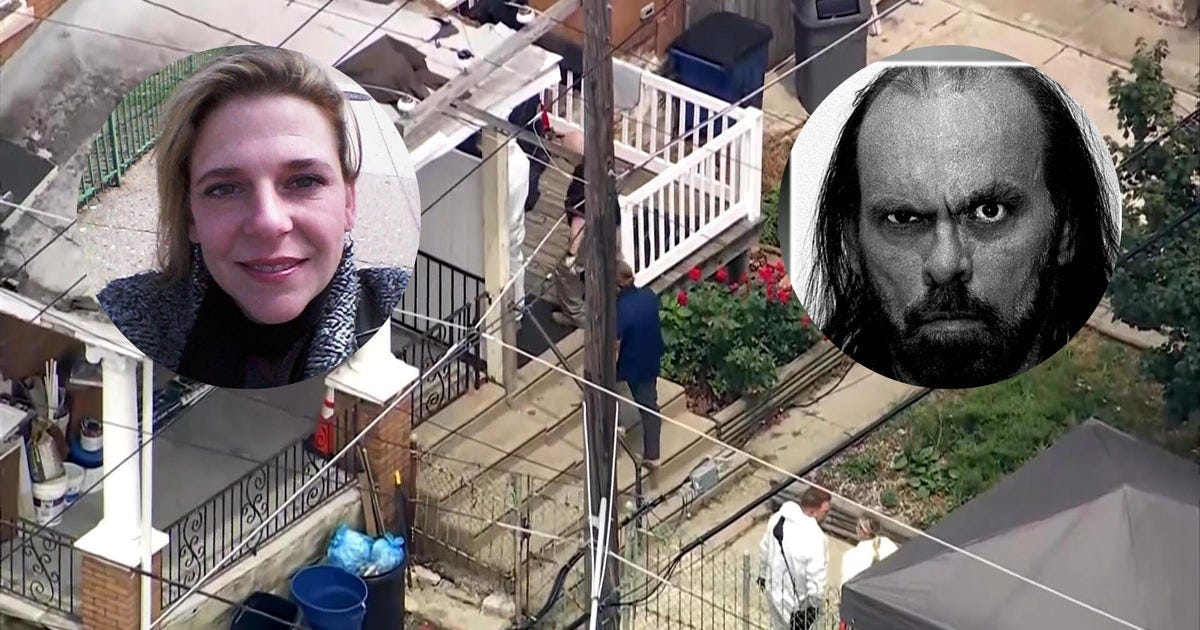
That history complicated the investigation. Some material could have been staged, while other images appeared to depict actual injuries or deaths. Investigators had to determine whether the photographs and videos documented crimes rather than performances. Raymond died in 2025, before the June 2026 search. His death meant investigators could no longer question him directly about the women who appeared in his work.
Eugene, meanwhile, faced federal allegations involving firearms and fraudulent credentials. Those allegations were separate from the unresolved disappearances, and investigators had not established that he was responsible for the suspected deaths.
As the investigation expanded, detectives began reconstructing the lives and final known movements of women whose names had surfaced in connection with the house.
The Women Who Disappeared
One of the most haunting aspects of this investigation is that the disappearances did not happen together. They stretched across more than a decade.
Gabrielle Amarando disappeared in 2012. Years later, investigators identified images of her among material recovered from the Horsch property. Authorities subsequently reported evidence suggesting she had been killed.
Amy McHale visited the Olney house in June 2016. On June 14, she left her daughter a voicemail saying she was at Ray’s and was okay. She was never heard from again. Her family’s years of uncertainty became part of the larger investigation when her connection to Raymond Horsch resurfaced.
Maribel Fresses was reported missing in February 2018. Investigators later found images that led them to believe she had died inside the house.
Nicole Fusaro was last known to be alive in July 2018. In September 2026, her family was informed that authorities believed she had died and that her case was connected to the Horsch investigation.
Blair Tonzelli was last heard from in August 2022 and was officially reported missing in February 2023. A friend’s account placed her at the Horsch property, and identification bearing her information was later discovered during the June 2026 encounter near Independence Mall.
By autumn 2026, investigators had connected seven missing women to the property. Five were feared dead, although the absence of recovered bodies prevented definitive conclusions about what happened to each woman.
True Crime Weekly is a reader-supported publication. To receive new posts and support my work, consider becoming a free or paid subscriber.
The Evidence That Raised New Questions
The enormous volume of digital evidence created an unusually complex task. Investigators had to identify the women in the material, establish when images were recorded, and determine whether particular scenes showed staged violence or actual crimes.
That distinction was critical. An unsettling photograph is not automatically proof of murder. But investigators reported finding images in which some women appeared alive and later appeared dead.
On August 12, 2026, Philadelphia police announced that they believed Gabrielle Amarando and Maribel Fresses had been killed inside the house. Additional discoveries in September expanded concerns about other women.
The investigation also uncovered connections between Raymond Horsch and a crematorium associated with an earlier illegal body-parts operation. That history raised further questions, but it did not establish what happened to the missing women or prove that their remains had been disposed of there.
The challenge was not simply finding suspicious evidence. It was proving what that evidence meant, identifying possible victims, and establishing responsibility beyond speculation.
The Families Left Waiting
Behind the sensational descriptions of the house are families who have spent years searching for people they love. Amy McHale’s family knew that she had been at the property shortly before disappearing. Blair Tonzelli’s loved ones had lived with uncertainty since 2022. Other families faced the devastating possibility that photographs recovered during a criminal investigation might reveal what happened to their missing relatives.
For them, the investigation is not primarily about the house or its disturbing contents. It is about finding answers. Every newly identified image, witness statement, and piece of forensic evidence could potentially bring investigators closer to understanding what happened. But each development also carries the risk of renewed grief when answers remain incomplete.
Where the Investigation Stands
As of November 2026, authorities were continuing to investigate the links between the Horsch property and the missing women. Eugene Horsch had faced charges involving firearms and fraudulent credentials, but those charges should not be confused with a conviction for the women’s disappearances. Raymond Horsch had died before the investigation reached its current stage.
Police had not recovered the women’s bodies, and the central questions about their fates remained unresolved.
The Horsch investigation is a reminder that some missing-person cases are not isolated mysteries. Sometimes, evidence discovered years later can reveal connections that were previously unknown.
Yet the most important part of this story is not the disturbing house. It is the women whose lives and disappearances deserve serious investigation, and the families still waiting to learn the truth.
Anyone with information can contact the Philadelphia Police Department at 215-686-8477 or the FBI’s Philadelphia Field Office at 215-418-4000.


Leave a Reply